
Lead
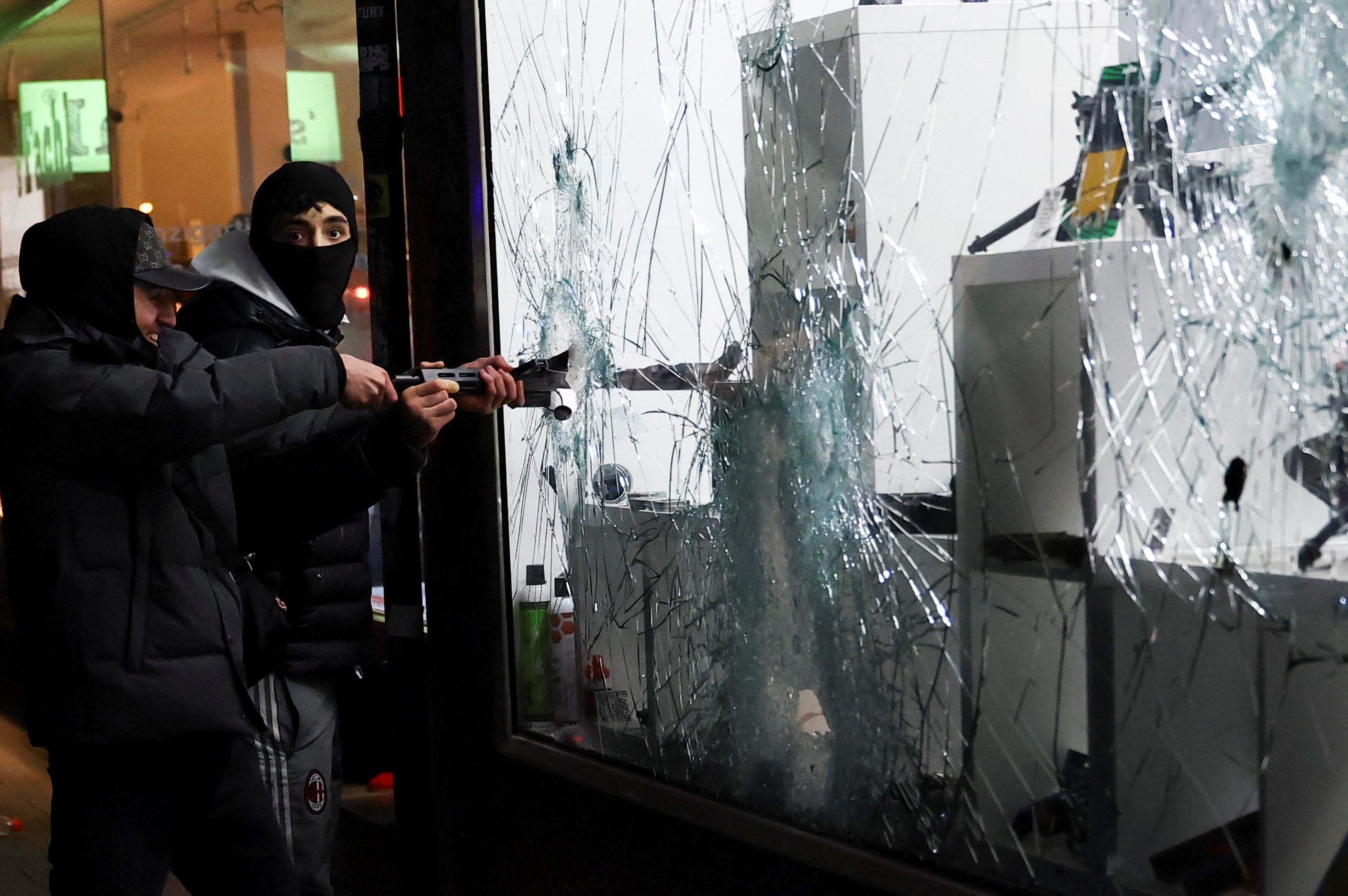
Frankfurt, Germany — In the early hours of November 2026, several German cities faced disturbances and acts of vandalism that marked the beginning of a wave of protests across Europe. According to reports from the newspaper El País, looting occurred in major urban areas of the country, including Frankfurt, with dozens of people detained by authorities. The city of Frankfurt became the epicenter of the incidents, with its main commercial district suffering material damage and public disorder.
Context of the protests in Europe
Protests that began in Germany in November 2-026 did not stem from a single event, but are part of a series of social movements that have gained momentum across several European countries. These movements, ranging from labor demands to criticism of economic policies, have been driven by a combination of factors: high inflation, growing social discontent, and an increasing perception of economic inequality among sectors.
In the European context, Germany has been a key convergence point for these demonstrations. Although the country has historically been known for its political and economic stability, social tensions have increased in recent years, especially among lower-income groups and urban communities. These tensions have been fueled by growing inequality in access to basic services, such as housing, healthcare, and education.
The protests in Germany are not an isolated phenomenon. In neighboring countries such as France, Belgium, and the Netherlands, similar movements have been recorded, though with different focuses. In France, for example, demonstrations have centered on labor justice, while in Belgium, demands for health system reforms have intensified. However, in Germany, the disturbances have shown a more violent character, with acts of vandalism affecting commercial infrastructure.
The facts in Frankfurt: the epicenter of the disturbances
Frankfurt, the capital of the state of Hesse and home to major economic institutions, was the city most affected by the incidents. In the early hours of November 1, local authorities reported looting in the central commercial district of the city, known as the Frankfurt city center.
Damage was concentrated in clothing stores, supermarkets, and service centers. Some stores temporarily closed their doors, while others suffered physical damage, such as broken glass and product theft. Authorities indicated that the incidents began around 06:00, when a significant increase in the number of people on the streets was recorded.
According to official sources, at least 45 people were detained in Frankfurt during the first 24 hours of the disturbances. The detentions took place at various locations in the city, including the commercial center and the areas around the train station. Authorities have not specified the exact number of people who participated in the looting, but indicate that the level of violence was high compared to previous demonstrations.
Government and Local Authorities' Reactions
The German federal government, through its Ministry of the Interior, issued an official statement highlighting the need to maintain public order and protect commercial infrastructure. In a press conference, Interior Minister Klaus Weber stated that authorities are working to