
The Urda accident has generated a deep transformation in the perception of an election campaign, shifting from a formal political process to an intense and personal human experience. What initially appeared as a discussion about public policies has, in practice, become a matter of collective and emotional suffering. This change is not merely symbolic; it stems from the way the event has been lived, narrated, and shared by citizens.
The Urda incident: a fact that transcends the political sphere
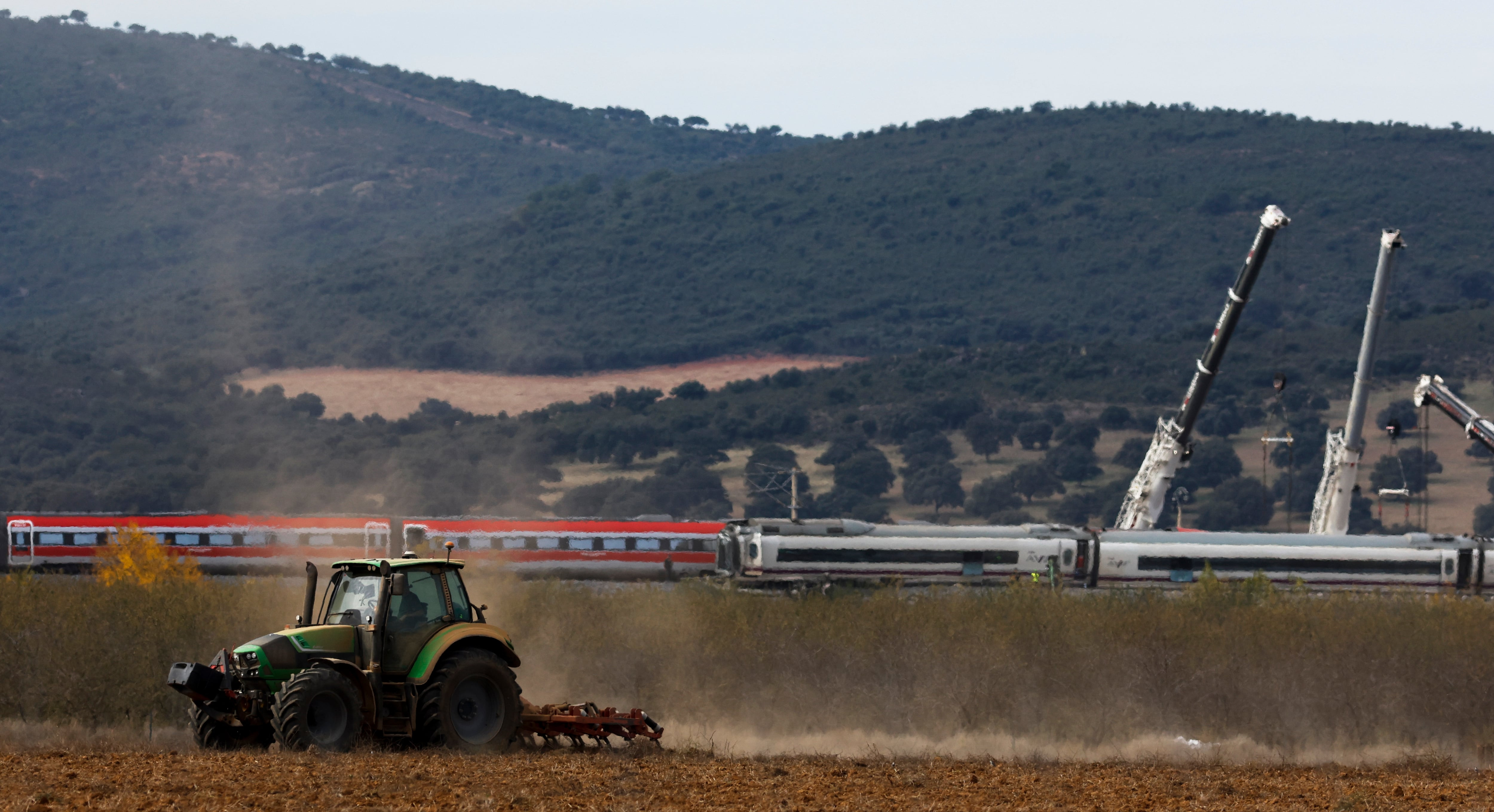
The Urda accident, which occurred on October 28, 2026, was an event that, although not officially declared a major disaster, had a significant impact on the local community's life. It was a traffic incident in the Urda area, a small village located in the northern part of the Castilla-La Mancha region. The victim, a 67-year-old woman, died at the scene after a collision between a cargo vehicle and a family car. The incident was recorded by security cameras and quickly became a topic on social media, where a version began circulating—though unverified—that portrayed the victim as someone actively involved in a local election campaign.
The Urda community, though small, has historically been known for its active participation in democratic processes. For decades, residents have shown strong identification with the electoral system, and the fact that someone linked to an election campaign died in a traffic context has generated a sense of symbolic violence. It is not simply an accident, but an intersection between public space and political space, where individual suffering becomes a symbol of the democratic system's vulnerability.
The election campaign as a scene of suffering
Before the accident, the election campaign in Urda took place in a moderate tone, with informal debates, community talks, and awareness activities. Candidates presented themselves as representatives of local interests, and the electoral process was seen as a tool for democratic participation. However, after the incident, the tone changed dramatically. Social media began showing messages linking the victim to the candidates, and the idea of an 'election campaign that became a ritual of pain' started to circulate.
This change was not the result of intentional manipulation, but of a social dynamic in which suffering became a narrative element. Citizens, facing the suffering of a family member or neighbor, began to see the electoral campaign as a space where pain is expressed, shared, and internalized. Instead of being a decision-making process, it became an emotional experience that directly affected daily life.
Official institutional response: a lack of clear action
Local and national authorities have not issued official statements directly linking the accident to the electoral campaign. Although investigations have been conducted regarding the incident, no causal relationship has been established between the event and political activities at the time. The local police have confirmed that the accident occurred during normal traffic conditions, without special circumstances, and that there were no violations of traffic regulations.
The lack of a direct institutional response has generated a sense of indifference. Citizens, not seeing authorities address the issue, have felt that the incident was treated as an isolated event, without connection to the political system. This absence has been interpreted as a sign that institutions are not prepared to manage events that affect both personal lives and the democratic process.
The impact on the perception of democracy
The Urda accident has triggered a deep reflection on how democracy is perceived in community contexts. Rather than being seen as a system that protects individual rights, it has become a space where suffering turns into a political legitimacy element. This perception is particularly strong in small communities, where personal relationships are more visible and political decisions have a direct impact on daily life.
Previous studies on the relationship between social events and electoral participation indicate that when a tragic event affects a community, there is an increase in participation, but also an increase in emotional distress. In the case of Urda, the distress has not translated into greater participation, but into a sense of distrust toward the electoral process. Citizens have expressed that, now, they do not know whether voting is an action that protects their interests or whether it simply makes them part of a ritual of pain.
The social media narrative: a space of emotional construction
Social media have played a key role in the spread of the incident. In the days following the accident, personal stories began to circulate that linked the victim to political candidates. Some messages portrayed the woman as an active supporter of a candidate, while others presented the victim as a figure of resistance against political change.
These narratives, although unverified, have been widely shared and have generated a sense of community cohesion. However, they have also sparked tensions, as some people have expressed that they feel manipulated by a narrative that makes them feel responsible for an event that did not affect them. The absence of an official verification has allowed the story to be constructed autonomously, without intervention from institutions.
What does this incident mean for the future of local democracy?
The case of Urda raises a fundamental question: How can democracy be maintained when citizens feel vulnerable and exposed to sufferings that are not controlled by the political system? The answer is not in eliminating electoral participation, but in creating spaces where suffering does not become a political tool for legitimacy.
In small communities, where the connection between individuals and politics is stronger, the democratic system must adapt to the emotional realities of its inhabitants. This means that institutions must not only ensure the legality of processes, but also demonstrate empathy in managing events that affect the community.
A reflection on political responsibility
The Urda accident was not an intentional political event, but its impact has been deeply political. Candidates, although not directly implicated, have been subjected to a narrative that links them to the victim. This situation highlights that, in many contexts, politicians do not only represent interests, but also become symbolic figures during times of crisis.
Political responsibility in this scenario does not limit itself to making decisions, but extends to managing collective emotions. If citizens feel that their suffering is being used as a campaign tool, then the democratic system loses credibility. The ethics of power must include the capacity to listen, to recognize pain, and to never turn it into a tool of legitimacy.
This case is not unique. In other regions of Spain, similar events have been recorded in which accidents or social incidents have been interpreted as symbols of politics. What is happening in Urda may be an indicator of a broader trend: the democratization of suffering as part of the political process.<\/p>
To prevent such events from recurring, it is necessary that institutions develop transparent and emotionally sensitive communication mechanisms. Citizens must feel protected not only by the legal system, but also by the emotional system that underpins it.<\/p>