
Lead
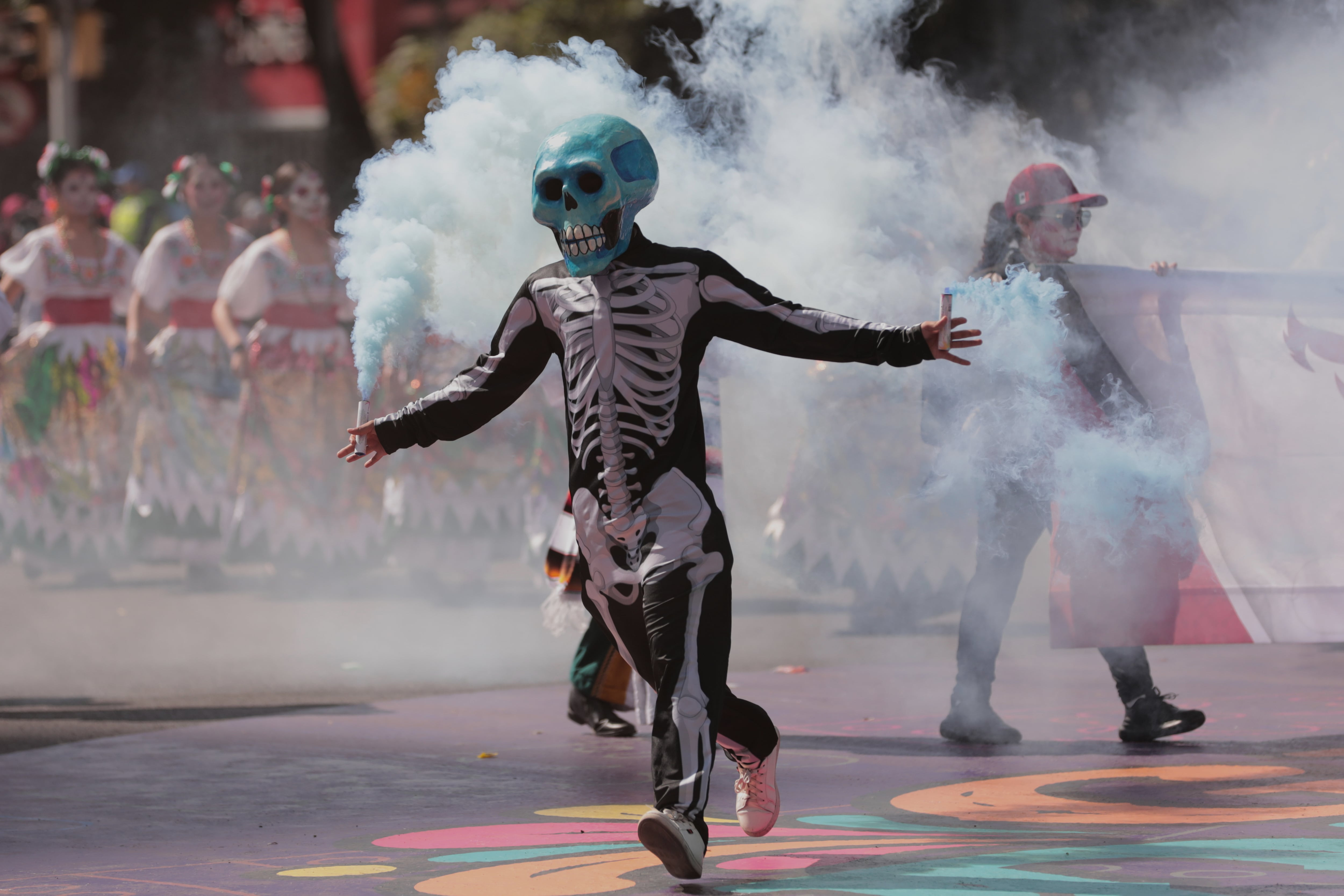
This Saturday, in Mexico's capital, the traditional parade took place, concluding the official celebrations of the Day of the Dead. The event, held on the city's main streets, was a cultural demonstration that gathered thousands of people, from local families to tourist groups and community organizations. Although no official data was recorded on the exact number of participants, images disseminated by media outlets show a significant presence on the central avenues of the historic center.
Contextualization of the Day of the Dead in Mexico
The Day of the Dead, celebrated on November 1st, is one of the country's most iconic traditions. Although its origins trace back to ancient indigenous practices, the event was consolidated within the national context during the 20th century, especially through the influence of cultural movements and national identity. In Mexico's capital, the Day of the Dead is celebrated with a series of rituals that include offerings, candles, skeletons, and the construction of altars in honor of the deceased.
The celebration extends from November 1st to November 2nd, with the traditional parade serving as its official closing event. This annual event aims to keep alive the memory of the deceased and promote respect for life and death as part of Mexican culture. Although no official date has been recorded for the start of activities, the event calendar indicates that preparations begin weeks in advance, with the organization of offerings in homes and communities.
The Parade as the Closing of the Celebrations
The traditional Day of the Dead parade in Mexico's capital is presented as the culmination of the event's official activities. This type of demonstration, held on the main avenues of the historic center, includes participation from artistic groups, schools, and cultural associations. Participants wear traditional attire, such as skeleton costumes, hats, and garments symbolizing the world of the dead.
According to El País report, the parade took place this Saturday, coinciding with the closure of the official Day of the Dead activities. An exact start time is not provided, but images published by media outlets show that the event began around 16:00 hours. The parade lasted approximately one hour and extended from the Plaza de la Constitución to the Avenida de los Insurgentes.
Participation and Cultural Representation
The images distributed by El País show a diversity of participants, ranging from children dressed as skeletons to groups of adults carrying symbolic items such as candles, marigolds, and offerings. Some groups, such as secondary schools and art associations, presented pieces that combine traditional elements with contemporary expressions, such as wooden sculptures or digital paintings depicting figures of the dead.
The participation of educational and cultural institutions reflects the event's approach as a space for teaching and celebration. Authorities are not explicitly mentioned, but it is common for the event to be coordinated by the municipal government or local cultural institutions. The absence of an official statement on governmental support does not prevent the parade from being considered a culturally significant event.
Social and Touristic Impact
Death Day in Mexico's capital attracts thousands of tourists, especially in the days leading up to the event. Although an exact number of visitors is not provided, media sources indicate that the event has become one of the country's main tourist attractions. The presence of tourists in the streets during the parade suggests that the event has a high level of international visibility.
The social impact of the parade is evident in the way communities gather to celebrate, reinforcing cultural identity and a sense of belonging. Moreover, the event promotes cultural exchange, as people from diverse backgrounds participate in offerings and activities. No incidents of tension or conflict are reported during the parade, indicating that the event takes place peacefully and respectfully.
Limits of the Available Information
The summary provided by El País does not include details about the number of participants, the involvement of authorities, the event's cost, or coordination between institutions. Additionally, the source of the images used is not mentioned, nor is it stated whether the parade was planned by an official entity or organized autonomously by local communities.
It is important to highlight that although the event is presented as traditional, there are no official records confirming that this parade is part of an annual series established by the government. The lack of specific data on organizational structure, budget, or activity schedule limits the depth of possible analysis. However, the fact that the event takes place annually suggests that it has acquired an institutional character, although its formalization is not evident.
Implications and future perspectives
The Day of the Dead parade in Mexico's capital reflects the importance that traditional culture has in shaping national identity. Although the event does not have a formally defined structure, its annual continuity indicates that it is a cultural phenomenon that persists over time. This could have implications for cultural policy, as the government might consider formalizing it as part of a cultural heritage program.
In the future, if the parade becomes an officially recognized event, it could receive greater institutional support, including funding for organization, tourism promotion, and the preservation of traditional elements. Additionally, it could serve as a model for other cities that wish to promote their own cultural traditions.
Conclusion
The traditional Day of the Dead parade in Mexico's capital this Saturday was a cultural event that concluded the official celebrations of the occasion. Although the available data are limited, the fact that the event has taken place annually suggests that it plays a significant role in the city's social and cultural life. The images published by El País offer a visual glimpse of the atmosphere, but do not provide sufficient information to assess its economic impact, its organization, or its relationship with other institutions.
The Day of the Dead, in its most representative form in the capital, remains a symbol of memory, identity, and the celebration of life and death. Although the parade does not have an officially documented structure, its annual continuity demonstrates the collective interest in maintaining a tradition that spans generations. For future research, it would be necessary to gather official data on coordination, budget, and participation by government institutions for a more comprehensive evaluation of the event.