
Lead
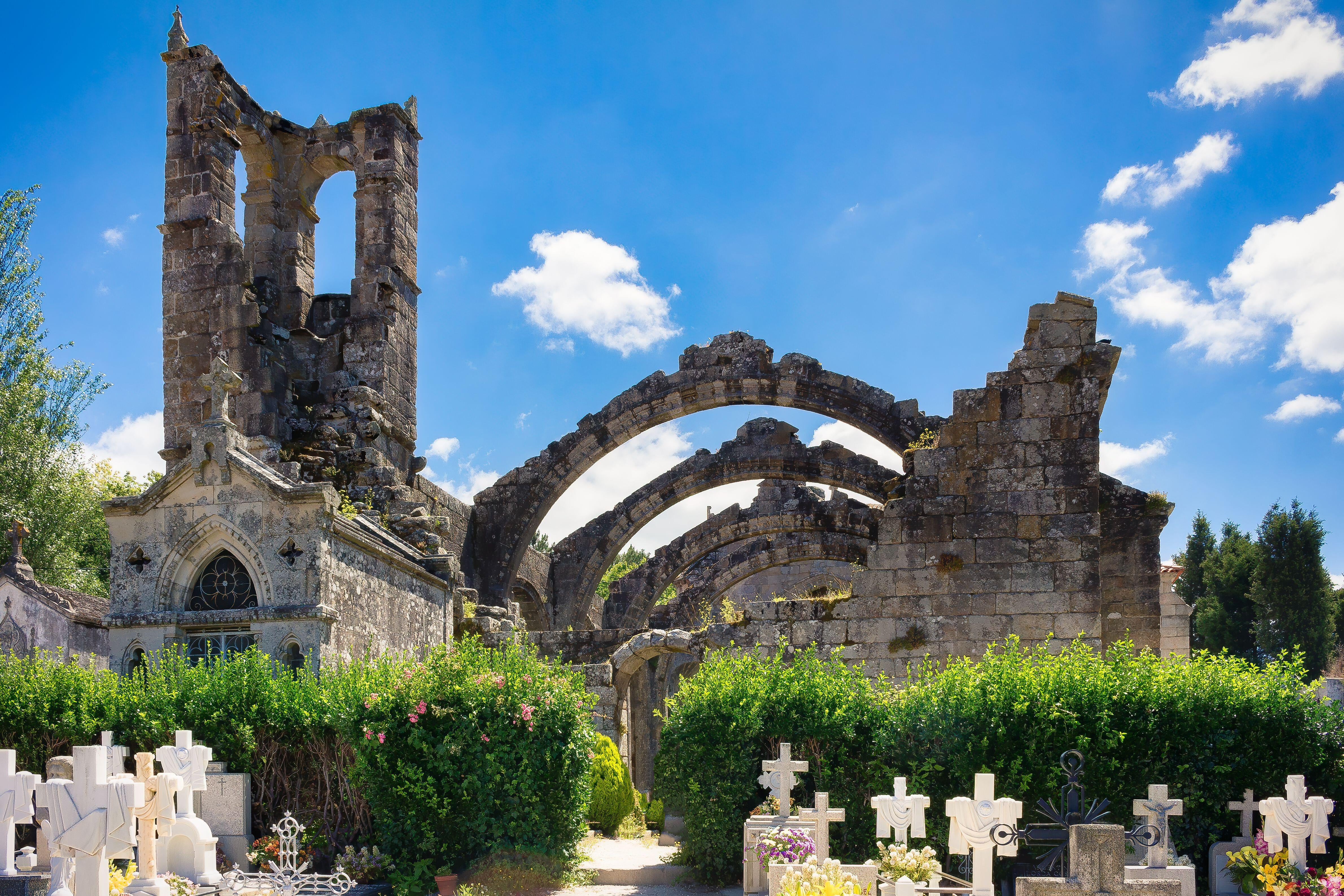
In a world where death is frequently avoided or silenced, cemeteries have evolved from private spaces into places of gathering, reflection, and tourism. While All Saints' Day is celebrated as a significant date to remember the deceased, each year there is a growing trend of visiting cemeteries not only on specific days, but as tourist destinations that integrate traditions, family memory, and cultural experiences. This phenomenon, known as "necrotourism," is not merely a trend, but an expression of how modern societies have learned to approach death with greater acceptance and meaning.
The evolution of the cemetery as a public space
Since ancient times, cemeteries have been spaces where the dead are buried, but also where family and community bonds are formed. In the history of many cultures, the place of burial is not merely an end, but a point of connection between the living and the dead. In the modern context, this function has been reinforced by the growing importance placed on collective memory. While traditional tourism focuses on monuments, cities, or natural landscapes, necrotourism has emerged as a form of travel that seeks to connect with history, the past, and the deepest human emotions.
Cemeteries, therefore, have moved from being spaces of oblivion to becoming places of presence, visits, and reflection. In countries such as Spain, France, Italy, or Japan, tourist routes have been developed that include visits to famous graves, memory circles, monuments to historical figures, and places of worship. These sites not only allow people to remember the deceased, but also offer a window into the religious, social, and artistic beliefs of each culture.
Recognized funeral destinations around the world
A travel article by El País, published in its travel section, highlights a selection of cemeteries recognized for their cultural value and their ability to integrate local traditions. Among them are the San Juan Cemetery in Madrid, the Almudena Cemetery, the Heroes' Pantheon in Buenos Aires, and the Almudena Cemetery in Madrid, which combine architectural structures, celebration rituals, and family memory spaces.
In Spain, the San Juan Cemetery, located in the Latina neighborhood, is an example of how urban design and architecture can integrate a funeral space with the urban environment. There, tombs are arranged symmetrically, with sculptures representing historical figures and iconic personalities. Moreover, annual events are held that include music, readings, and family ceremonies, transforming the cemetery into a living space, not just a place of burial.
In Argentina, the Heroes' Pantheon in Buenos Aires is a site that combines the memory of historical figures with an architectural structure symbolizing sacrifice and service. Built in the 20th century, this place houses tombs of individuals who participated in national history, and each year organized visits are conducted by school groups and cultural associations. The presence of these spaces allows young generations to learn not only the names of heroes, but also their legacy.
In Japan, the Kōraku-en Cemetery in Tokyo is an example of how a funeral space's design can be both aesthetic and symbolic. This cemetery, built in the and is known for its well-maintained gardens, tombs decorated with stone sculptures, and architecture that evokes tranquility and peace. In Japan, death is viewed as part of a natural cycle, and cemeteries become spaces for meditation and reflection, where visitors can enjoy natural landscapes and commemorative rituals.
The Role of Tourism in Cultural Preservation
Tourism in cemeteries is not a recent trend. Since the 19th century, there have been recorded trips to funeral sites to observe rituals, tombs, and monuments. However, in recent decades, the growth of experiential tourism has increased the visibility of these spaces. Interest in cemeteries as tourist destinations has intensified because they allow travelers to experience cultures more authentically, without relying on commercial or artificial attractions.
Studies conducted by institutions such as Spain's Institute of Tourism Studies and Japan's Center for Cultural Research have demonstrated that tourism in funeral spaces contributes to the preservation of local traditions. By attracting visitors, these places receive greater attention, are maintained in good condition, and are promoted as part of cultural heritage. Moreover, many of these cemeteries have begun developing educational programs that include guided visits, workshops on family history, and activities such as writing or drawing inspired by the tombs.
Funeral tourism has also generated new forms of interaction among visitors. In some cases, virtual communities have been created where people share photos, stories, and reflections about their own burials or family memories. Although these platforms are not formally regulated, they have proven to be useful tools for strengthening emotional connections with the past.
Ethical and Cultural Challenges
Despite the benefits, funeral tourism raises ethical and cultural challenges. In some countries, access to these spaces has become more restricted due to the sensitivity of gravesites. In others, cases of vandalism or excessive commercialization of burial sites have been recorded, where graves are turned into objects for sale or entertainment.
Moreover, not all cemeteries are equal in terms of cultural value. Some locations, especially in rural or less developed regions, may be affected by mass tourism if appropriate management policies are not implemented. It is important that local authorities and involved communities make decisions that balance tourism interest with respect for burial and the dignity of the deceased.
In this regard, the role of cultural and tourism institutions is fundamental. They must promote guided visits, educate tourists about the significance of burial spaces, and establish clear behavioral guidelines in these areas. Responsibility does not lie solely with visitors, but also with tourism operators who must ensure that tourism does not become a form of emotional or cultural exploitation.
Social and Emotional Implications The fact that cemeteries are visited as tourist destinations has deep emotional and social implications. For many people, visiting a cemetery is a way of connecting with their past, with family members, or with their own memories. In family contexts, such visits can serve as moments of reflection, dialogue, or reconciliation.
In communities where death is a taboo topic, funeral tourism can act as a catalyst for social openness. By sharing experiences in burial spaces, people can break down barriers and discuss topics such as grief, loss, or family heritage. This is especially relevant in contexts where death is not directly addressed in education or everyday conversations.
Moreover, funeral tourism can foster the creation of new cultural narratives. For example, in countries such as Mexico, where Día de Muertos is a national celebration, cemeteries become settings for art, music, and food. In these cases, tourism not only allows visitors to see graves, but also enables participation in rituals that celebrate life and death as inseparable parts of the human cycle.<\/p>
Future vision: the cemetery as a space of memory<\/h2>
In the future, it is likely that cemeteries will continue to evolve as collective memory spaces. As modern societies become more aware of the fragility of life, interest in funeral sites could continue to grow. This does not mean that there is an excessive celebration of death, but rather that the significance of death as part of the human process is being recognized.<\/p>
Public policies related to funeral tourism should be more inclusive and ethical. It is necessary that governments, cultural institutions, and tourism organizations work together to ensure that these spaces are accessible, respectful, and sustainable. Furthermore, there should be a promotion of education about death from an early age, so that people better understand the value of life and the need to honor those who are no longer living.<\/p>
In conclusion, cemeteries are not simply places where the dead are buried. They are spaces where stories are built, traditions are celebrated, and the memory of those who have lived is preserved. As they become tourist destinations, these places acquire a new value: that of being witnesses to humanity, to its fragility, and to its capacity to remember, feel, and survive.<\/p>