
Lead
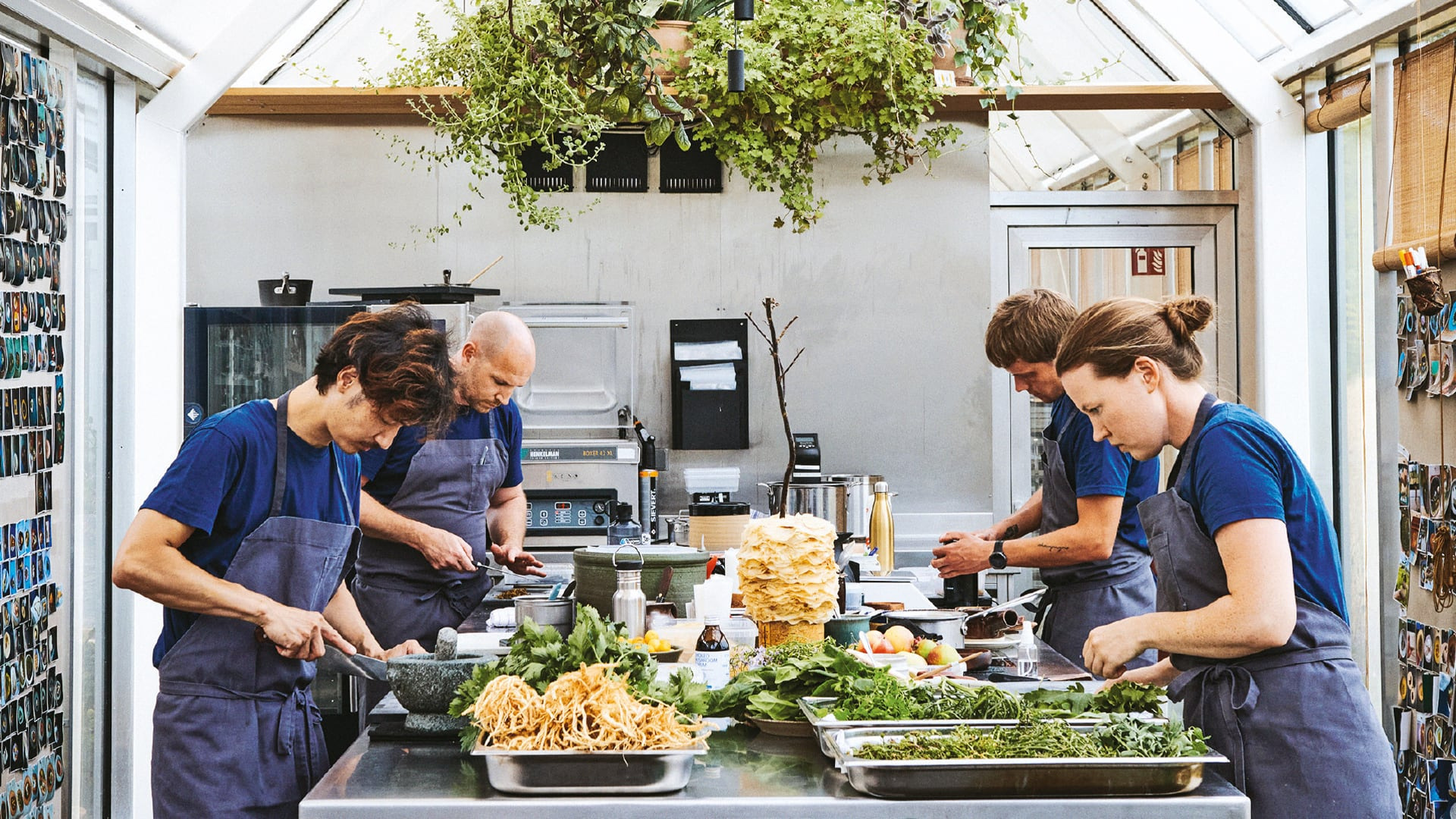
The Danish restaurant Noma, internationally recognized for its innovation in gastronomy, has published a new work titled 'Noma's Guide to Creating Flavor', revealing the recipes from its extensive library of flavors. This book, presented as a practical tool for chefs and cooking enthusiasts, demonstrates how common ingredients can be transformed through experimental techniques, generating unexpected flavors. Among the highlighted recipes is the transformation of pineapples into olives, a process that challenges traditional notions about food preparation.
The origin of Noma and its gastronomic legacy
Noma, located in Copenhagen, was founded in 2003 by chef René Redzepi and his team. Since its opening, the restaurant has been a leader in culinary innovation, especially in the use of local, sustainable, and unconventional ingredients. Its approach is based on exploring natural flavors, experimenting with traditional techniques, and seeking new sensory combinations.
The restaurant has been recognized for its contribution to the development of modern gastronomy, winning multiple international awards and being considered one of the most influential centers in the field of experimental cooking. Its work has inspired numerous chefs around the world, who have adopted its principles in their own culinary spaces.
The publication of 'Noma's Guide to Creating Flavor'
The publication of 'Noma's Guide to Creating Flavor' marks a milestone in the dissemination of its culinary methods. Although the book was not officially released in 2026, according to a summary by El País, it has been announced as part of a series of publications aimed at sharing with the public the restaurant's philosophy and techniques.
The content of the book focuses on creating flavors from natural ingredients, with an emphasis on processes that do not require chemical additives or preservatives. Each recipe is accompanied by a detailed explanation about the origin of the ingredient, the transformation process, and the final result in terms of taste, texture, and aroma.
The recipe of pineapples transformed into olives
One of the most surprising recipes presented in the book is the transformation of pineapples into olives. This process, which is based on the natural ripening of pineapples under specific conditions, allows for a product that combines the sweet flavor of the fruit with the typical sour and spicy taste of olives.
According to the summary by El País, the process involves selecting pineapples from certain forests in Denmark, exposing them to controlled humidity and temperature conditions, and then maturing them in an environment that promotes the formation of volatile compounds that mimic the taste of olives. The exact duration of the transformation process and the number of pineapples used are not mentioned, but it is stated that the result is a product that can be used in modern culinary dishes.
The role of experimentation in Noma's cuisine
Noma's cuisine is characterized by its experimental approach, in which each recipe is an attempt to better understand how natural ingredients interact. The book not only presents recipes but also explains the scientific principles underlying each transformation, such as fermentation, oxidation, and the evolution of flavors under specific conditions.
The restaurant has developed an internal library of flavors that includes over 300 recipes, many of which have been tested in their daily meals. This collection, accumulated over more than two decades, forms the basis of the published guide. Although the book does not detail all ingredients, it is stated that the approach is centered on naturally sourced, environmentally low-impact ingredients.
Implications for modern cuisine
The publication of this book has a significant impact on the field of modern cuisine. It offers chefs and cooks a set of practical tools to explore new flavors without relying on exotic or expensive ingredients.
By demonstrating how common ingredients, such as pineapples, can be transformed into products with distinctive flavors, the book promotes a more sustainable and accessible vision of gastronomy. This could influence how chefs select their ingredients and design their menus, promoting a cuisine more connected with the natural environment.
Limitations and absence of data in the summary
The summary provided by El País is brief and does not include specific details about the preparation process, the number of pineapples used, the duration of the transformation, or the exact geographical origin of the pineapples. It does not mention whether the process is viable in other countries, whether it requires special infrastructure, or whether it has been validated by scientific institutions.
Additionally, it is not specified whether the book is available in physical, digital, or limited edition formats. The target audience is not indicated, nor is it stated whether the content has been reviewed by experts in culinary chemistry or in flavor sciences.
Historical context of culinary innovation in Denmark
Danish gastronomy has historically been recognized for its focus on sustainability and the use of local ingredients. Noma, as part of this context, has been a pillar in promoting a cuisine that values nature and local traditions.
The country has developed a culinary culture that prioritizes the quality of the product, the season, and the origin of ingredients. This philosophy is reflected in Noma's recipes, which are typically based on ingredients found in the Copenhagen region or its surroundings.
The future of the guide and its possible influence
The publication of this guide represents a significant step in the democratization of culinary knowledge. By presenting recipes that do not require expensive or rare ingredients, the book may be accessible to cooks of different levels of experience.
In the future, it is possible that this guide inspires new research on the transformation of natural ingredients, as well as the creation of menus that integrate unexpected flavors. Additionally, it could serve as a reference for culinary education in schools and training centers.
It is important to highlight that, although the book presents innovative recipes, it does not claim that these have been scientifically proven or are safe for human consumption. The information available in the summary does not allow an assessment of the nutritional risk or the feasibility of these transformations under domestic conditions.
In summary, the publication of ‘The Noma Guide to Creating Flavor’ represents a milestone in the dissemination of Danish experimental cuisine philosophy. Through recipes such as converting pine pineapples into olives, the book invites cooks to reevaluate how flavors are defined and how new sensory experiences can be created from natural ingredients.