
Lead
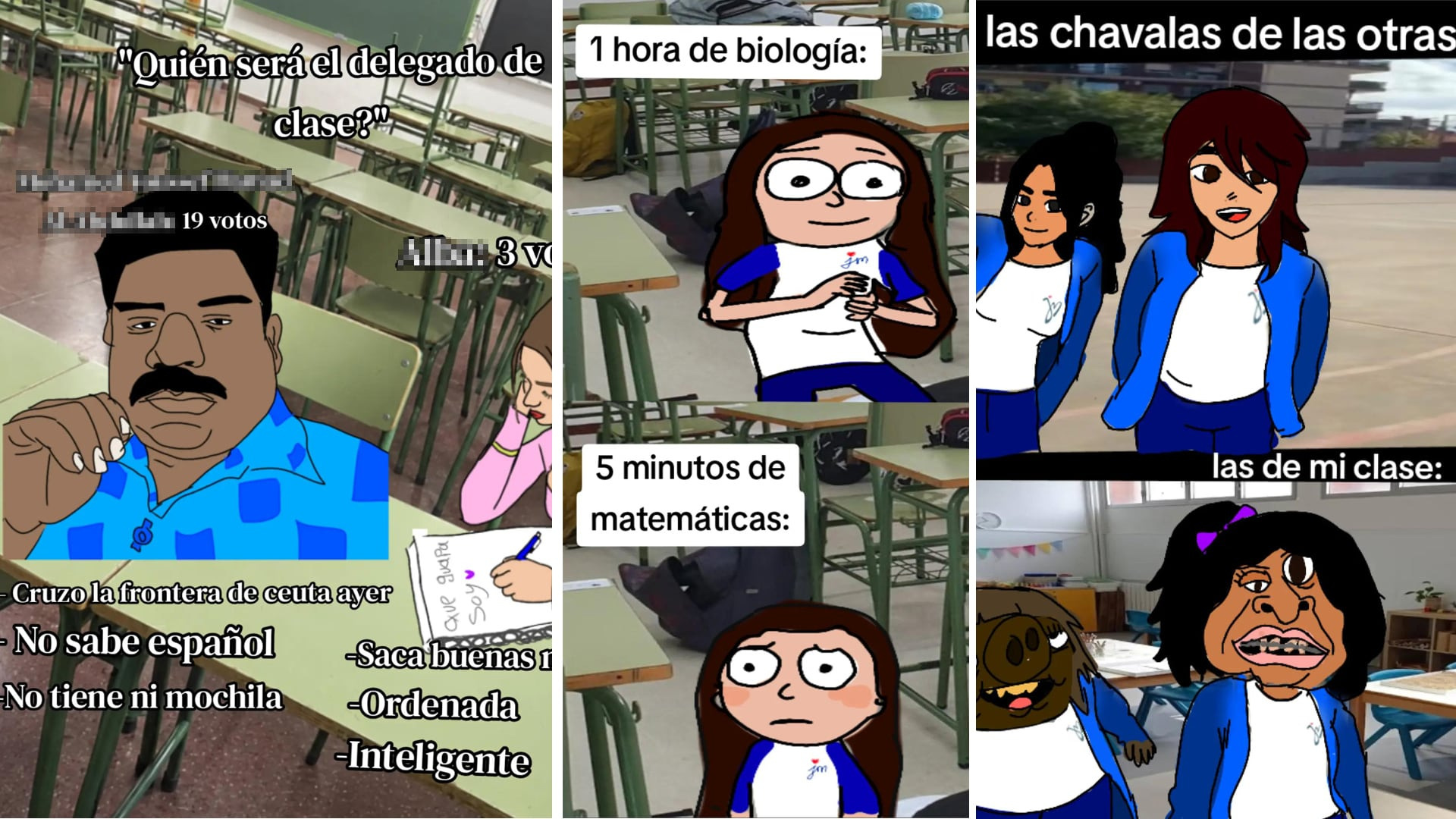
At the start of the school year, a growing trend in classrooms has created concern among parents, teachers, and educational authorities: the use of anonymous caricatures of teachers and students that quickly circulate on social media. This phenomenon, known as the rise of the 'curis', has triggered alarms about school bullying, symbolic violence, and the deterioration of the academic environment in schools across the country.
What are 'curis' and how do they emerge?
'Curis' are anonymous caricatures that depict teachers or students, typically with humorous or disrespectful elements. Although their origin may start as a joke among peers, their spread on social media—such as WhatsApp, Telegram, or social networking platforms—transforms the nature of the joke, turning it into widely amplified and shared content.
In the school context, these images often include references to personal, professional, or behavioral aspects of teachers or students, such as their clothing style, teaching methods, or classroom interaction. Although initially they may seem like simple wordplay, their widespread circulation can generate a sense of hostility or exclusion, especially if they are used to mock specific individuals.
The rapid spread on social media
The mechanism of 'curis' dissemination relies on the viral nature of social media. An image, a phrase, or a post can be shared within minutes and quickly replicates across multiple groups, chats, and profiles. This allows a joke that might initially have a limited reach to become a mass phenomenon affecting hundreds of students and teachers simultaneously.
Digital platforms, especially those that do not require identity verification, enable users to publish content without accountability, increasing the risk that caricatures become tools of bullying or discrediting. Moreover, the author is often not specified, making it difficult to take any responsible action or intervene.
The impact on the school environment
Fear of bullying has intensified during the first days of the school year, when students begin to interact again in the school environment. The presence of 'curis' has created a tense atmosphere, where teachers and students feel exposed to criticism or mockery without control.
Some teachers have reported feeling that their personal or professional reputation is being attacked when they see a caricature circulating in a WhatsApp group. Other students have expressed concern about being made the target of jokes, especially if the caricatures include references to their behavior or their family environment.
This phenomenon does not only affect the relationship between students and teachers, but can also erode a sense of belonging and respect in the classroom, elements fundamental to a healthy educational environment.
Lack of regulation on social media platforms
Digital platforms have not implemented effective measures to control anonymous caricature content. Although some platforms have moderation policies, these are rarely applied proactively or in real time. Moreover, many users do not recognize that a post may be considered offensive or that it could cause psychological harm.
The absence of clear mechanisms for reporting or accountability in the use of humorous content has allowed 'curis' to become a phenomenon that spreads without any institutional or pedagogical response.
Reactions from educational authorities
In response to the growing use of 'curis', some educational institutions have begun to implement preventive measures. Some schools have launched awareness campaigns about school bullying, emphasizing the importance of respecting the dignity of all members of the teaching and student body.
Principal leaders of secondary schools have expressed concern about the emotional impact these caricatures may have, especially on students who are already facing psychological difficulties. Some have suggested that a protocol for managing content on social media within the school environment should be established.
Thus, initiatives such as creating safe spaces for humor or training students in the ethical use of social media have been proposed, although they have not yet been implemented at a national level.
School bullying and its connection with 'curis'
Experts in education and psychology have pointed out that although 'curis' are not necessarily direct acts of bullying, they can be precursors to more serious behaviors. When a joke becomes a tool for exclusion or humiliation, it can trigger a chain of reactions that include social rejection, anxiety, or even school dropout.
School bullying, according to the United Nations Educational, Scientific and Cultural Organization (UNESCO), includes any behavior that causes psychological or physical harm to a student. Although 'curis' do not always meet this definition, their emotional impact can be significant, especially when they are based on stereotypes or personal characteristics.
The role of parents and the school community
Parents have begun to realize that the content circulating on social media can directly affect their children. Some have expressed concern about their children being exposed to caricatures that could be offensive or that do not respect the diversity of people.
The school community, in general, has shown a mixed response. While some members have defended humor as a form of expression, others have insisted that respect and dignity must be priorities in the educational environment.
In some cases, parents have requested meetings with the principal or with the teaching staff to discuss how to manage content circulating on social media, especially when it involves teachers or students.
What can be done to prevent the rise of 'curis'?
To mitigate the impact of 'curis', a joint effort is required among educational institutions, families, and digital platforms. Although no quantitative studies have been presented on the number of 'curis' or their effect on academic performance, experts agree that prevention should focus on education about respect and digital ethics.
It is recommended that schools include in their curriculum activities on responsible social media use, recognizing diversity, and the importance of not ridiculing anyone. Additionally, it is suggested that official channels be established so students can report offensive content without fear of retaliation.
Digital platforms should also implement more effective moderation mechanisms, such as automatic detection of offensive content or the ability to block groups that spread anonymous caricatures.
Conclusion: a challenge for digital education
The rise of 'curis' at the beginning of the school term is not merely a humor phenomenon, but an indicator of the challenges that education faces in the digital environment. While humor use may be a way of connection among students, its uncontrolled spread can become a tool of exclusion and bullying.
Education should not only teach academic content, but also values such as respect, empathy and digital responsibility. The case of the 'curis' shows that the school environment must adapt to digital realities, developing clear policies and safe spaces for all members of the educational community.