
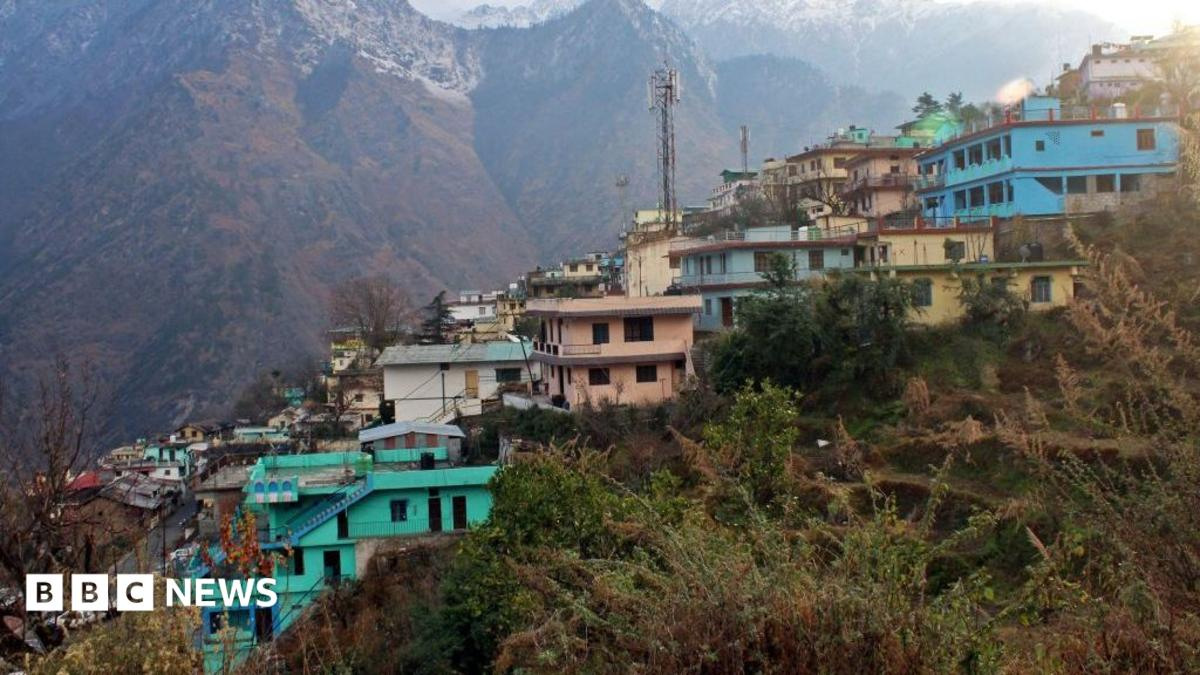
The helicopter crash in northern India has claimed the lives of six people, according to a report by BBC News. The aircraft reportedly took off from the Hindu pilgrimage site of Badrinath on Friday afternoon before losing contact with ground control. The location, situated in the Uttarakhand state of India, is a major religious destination and lies in a mountainous region with challenging terrain and weather conditions.
Location and Context of the Incident
Badrinath is a sacred site in the Himalayas, located approximately 140 kilometers (87 miles) from the city of Rishikesh. It is one of the most important pilgrimage centers in Hinduism, dedicated to Lord Vishnu, and attracts tens of thousands of devotees each year. The site is accessible via a narrow mountain road that winds through steep valleys and high-altitude passes, making transportation operations particularly vulnerable to environmental factors.
Uttarakhand, where Badrinath is located, is a state in northern India known for its rugged geography and dense forests. The region is also home to several other religious sites, including Kedarnath and Gangotri. These locations are often visited during the annual pilgrimage season, which typically runs from March to October. The presence of large numbers of pilgrims during this period increases the demand for transportation services, including helicopters, to move devotees between sites and to access remote areas.
Flight Details and Loss of Contact
According to the BBC News report, the helicopter departed from Badrinath on Friday afternoon. The exact time of takeoff has not been confirmed, but it is believed to have occurred between 3:00 PM and 5:00 PM local time. Shortly after departure, the aircraft lost contact with air traffic control and communication systems. No distress signals were received, and the last transmission was reportedly a routine check-in message.
There is no official confirmation of the helicopter's intended destination. However, given the location of Badrinath and the nature of religious travel, it is likely that the flight was part of a scheduled service for pilgrims or a transport operation for religious events. The absence of a clear destination or final landing point has raised questions about the flight's operational planning and the safety protocols in place.
Response and Investigation
Local authorities have initiated an investigation into the crash. The Uttarakhand State Civil Aviation Authority has been notified and is coordinating with the Indian Air Force and the Directorate General of Civil Aviation to assess the incident. A preliminary report has not yet been released, and the investigation is expected to take several days to complete.
Emergency services, including local police and paramedics, responded to the crash site in the hours following the incident. Search and rescue operations were launched, but the remote location and difficult terrain have slowed down the recovery process. The helicopter wreckage was found in a high-altitude valley near the Badrinath temple complex, where access is limited and weather conditions can change rapidly.
There are no confirmed details about the passengers or crew on board. The victims are believed to have been part of a group traveling for religious purposes. The identities of the deceased have not been publicly disclosed, and families are being contacted through official channels. The Indian government has not issued a formal statement, but it has directed that all aviation safety measures be reviewed in light of the incident.
Aviation Safety in Remote Himalayan Regions
India has a long history of operating helicopters in remote and high-altitude regions, particularly for religious and logistical purposes. These operations are common during peak pilgrimage seasons, when thousands of devotees travel to sites like Badrinath and Kedarnath. However, the Himalayan terrain presents significant challenges, including unpredictable weather, steep slopes, and limited visibility.
According to data from the Directorate General of Civil Aviation (DGCA), over 100 helicopter operations are conducted annually in Uttarakhand for religious and tourism purposes. These flights often operate under limited oversight and may not be subject to the same safety standards as commercial aviation. The lack of standardized procedures for emergency response and communication in such areas has been a recurring concern among aviation experts.
Experts have pointed out that many of these operations are conducted by private companies with minimal regulatory oversight. While the DGCA has issued guidelines for operations in mountainous regions, enforcement remains inconsistent. In some cases, operators have been found to use outdated equipment or fail to conduct proper pre-flight checks, increasing the risk of accidents.
Historical Precedents and Safety Concerns
India has experienced several aviation incidents in the Himalayan region over the past decade. In 2019, a helicopter crash near the Kedarnath temple killed 38 people, prompting a national review of aviation safety in mountainous areas. In 2021, another incident involving a helicopter operating near the Gangotri site resulted in the deaths of four passengers.
These events have led to calls for stricter regulations, including mandatory weather monitoring, real-time communication systems, and mandatory emergency response protocols. However, despite these recommendations, many operations continue to operate with minimal safety infrastructure. The 2019 Kedarnath crash, in particular, highlighted the dangers of operating in areas with rapidly changing weather and poor visibility.
Aviation safety experts have noted that the Himalayan region is one of the most hazardous environments for air travel due to its unpredictable weather patterns. Thunderstorms, sudden fog, and high winds are common, especially during the monsoon season. These conditions can rapidly deteriorate, leaving aircraft with little time to react or descend safely.
Public and Government Response
As of now, there has been no official statement from the Indian government or the Ministry of Civil Aviation regarding the Badrinath helicopter crash. However, the incident has sparked public concern, especially given the religious significance of the Badrinath site and the large number of pilgrims who rely on helicopter services.
Local media outlets have reported that some pilgrims have expressed frustration over the lack of transparency and the slow pace of the investigation. There are growing calls for a comprehensive review of all helicopter operations in Uttarakhand, with a focus on improving communication systems, emergency response, and pilot training.
Several civil society groups have urged the government to implement a national aviation safety audit for all mountain-based operations. They argue that without standardized safety protocols, such incidents are likely to occur repeatedly. The incident has also raised questions about the role of private operators and the need for greater government oversight.
Implications and Future Outlook
The crash underscores the urgent need for improved aviation safety standards in India’s remote and high-altitude regions. While the immediate cause of the accident remains under investigation, the lack of real-time communication and the absence of emergency response systems appear to be critical vulnerabilities.
Experts suggest that future operations in such areas should be supported by satellite-based communication, automated weather monitoring, and mandatory pre-flight risk assessments. Additionally, all helicopter flights in mountainous regions should be required to have a minimum safety margin, including emergency landing zones and backup communication systems.
As India continues to promote tourism and religious pilgrimage in the Himalayan region, ensuring the safety of air transport operations must be a top priority. The Badrinath incident serves as a stark reminder that even routine operations in remote areas can have tragic consequences when safety protocols are not rigorously enforced.
While the immediate focus remains on the investigation and recovery efforts, the incident has already triggered a broader conversation about aviation safety in India. It may lead to policy changes, regulatory reforms, and increased public scrutiny of private aviation services operating in sensitive and high-risk environments.