
Introduction: A Cultural Shift in Fashion
For decades, the fashion industry has promoted the idea that clothing must be pristine, flawless, and new. However, a new generation is challenging this notion. Visible mends—such as patching, stitching, and embellishments—are no longer seen as flaws but as design elements. This shift is now being embraced by major fashion chains, including Levi's and Primark, which are beginning to offer garments with intentional repairs. These changes reflect a broader cultural and environmental movement toward sustainability, repair, and authenticity.
The trend is not merely aesthetic. It represents a rethinking of how clothing is produced, consumed, and disposed of. As consumers grow more aware of the environmental impact of fast fashion, they are seeking alternatives that align with values of longevity, care, and responsibility. The rise of mended clothes in retail settings signals a transformation in consumer expectations and brand strategies within the global apparel market.
From Levi's to Primark: The Brands at the Forefront
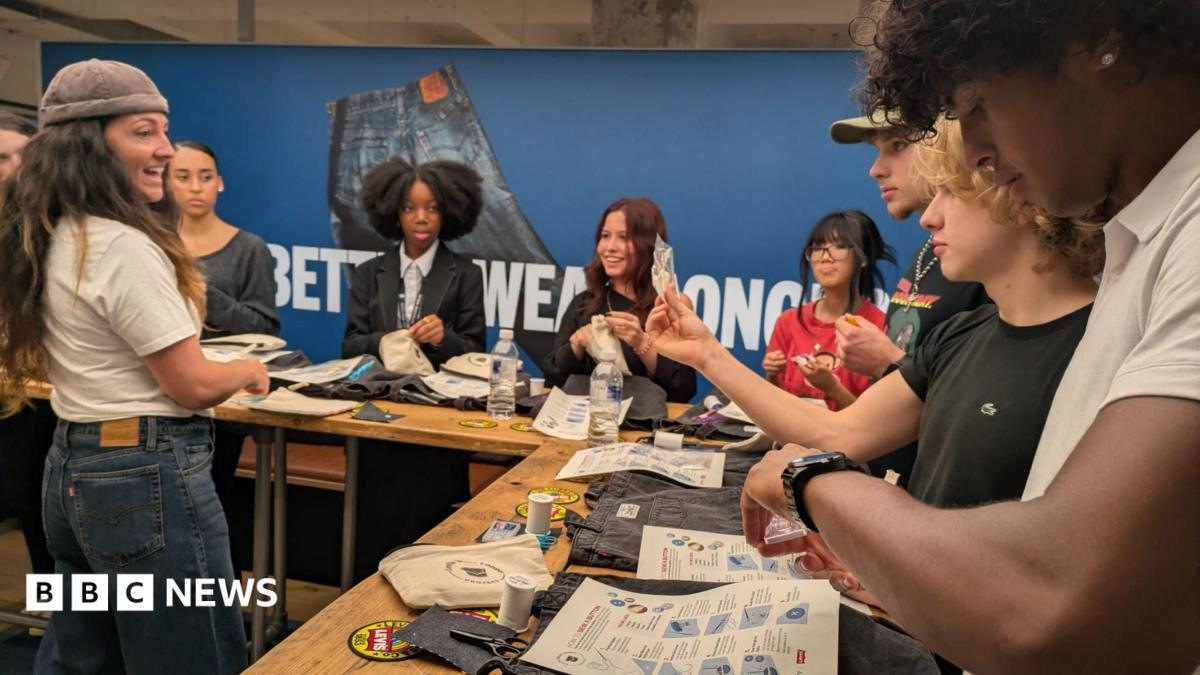
Levi's, one of the world's most iconic denim brands, has recently introduced a line of mended jeans. These pieces feature visible patches and repairs, often designed to look like they've been worn and cared for over time. The initiative was launched as part of Levi's broader sustainability campaign, which aims to reduce textile waste and promote circular fashion. The brand emphasizes that these jeans are not just functional but also symbolic—representing a lifestyle of resilience and authenticity.
Similarly, Primark, a fast-fashion retailer with stores in over 40 countries, has begun to feature mended garments in select product lines. While not yet a full-scale offering, the inclusion of patched items in its catalog demonstrates a growing willingness among retailers to adapt to consumer demand. Primark’s move is notable given its history of mass production and low-cost pricing, suggesting that even traditional fast-fashion models are evolving to meet new values.
These brands are not alone. Other global retailers, including H&M and The North Face, have also experimented with mended clothing in limited collections or pop-up stores. While these efforts remain niche, their presence signals a broader industry trend. The fact that such prominent chains are now incorporating visible mends into their offerings indicates a shift in how fashion is perceived—no longer as a product of constant renewal, but as a form of expression and storytelling.
Why the Trend Is Gaining Momentum
Several factors explain the rise of mended clothing in mainstream retail. First, younger consumers—particularly those aged 18 to 35—are increasingly prioritizing sustainability. A 2023 report by the Ellen MacArthur Foundation found that over 60% of Gen Z and Millennials express concern about environmental degradation, with many viewing clothing as a form of personal expression that should not be discarded after a single season.
Second, social media has played a key role in normalizing visible mends. Platforms like Instagram and TikTok have become spaces where users share photos of hand-stitched jeans, repaired coats, and creatively patched garments. These images often go viral, sparking conversations about what it means to own clothing that has been cared for over time. The aesthetic of 'mended beauty' has become a form of digital art, influencing both individual choices and brand strategies.
Third, the environmental cost of fast fashion is becoming harder to ignore. The fashion industry is responsible for approximately 10% of global carbon emissions and is a major contributor to textile waste. According to the United Nations Environment Programme, over 85% of clothing ends up in landfills each year. In this context, mending garments offers a tangible solution—extending the life of existing products and reducing the need for new production.
Consumer Behavior and the Rise of 'Mended Aesthetics'
Surveys conducted by market research firms indicate that a growing number of consumers are willing to pay a premium for clothing with visible repairs. A 2024 study by the Fashion Revolution Institute found that 42% of respondents in the UK and US would consider purchasing a garment with visible mends, especially if it was part of a transparent, ethical production process.
Moreover, the concept of 'mended aesthetics' is being embraced not just as a practical choice, but as a form of identity. Consumers are increasingly identifying with clothing that reflects personal history, effort, and care. A patch on a jacket might represent a memory, a travel experience, or a moment of resilience. This emotional connection elevates mended garments beyond utility—they become symbols of individual stories.
Brands are beginning to recognize this emotional value. Levi's, for instance, has launched a campaign titled 'Wear the Story,' which encourages customers to share their own mended garments through social media. The campaign not only promotes the product but also fosters a sense of community among consumers who value authenticity and sustainability.
Industry Implications and Challenges
The shift toward mended clothing presents both opportunities and challenges for the fashion industry. On one hand, it aligns with global sustainability goals and could help reduce the environmental footprint of apparel. On the other hand, it raises questions about scalability, quality control, and consumer expectations.
One challenge is the technical aspect of mending. Unlike mass-produced garments, mended items require skilled labor and time. This increases production costs and may limit the availability of such products. Additionally, there is a risk that mended garments could be perceived as lower quality or less durable, especially in markets where consumers prioritize performance over appearance.
Another concern is the potential for greenwashing. Some brands may introduce mended lines to appear more sustainable without making meaningful changes to their overall supply chains. The BBC report notes that while the trend is positive, it is still in its early stages and requires greater transparency to ensure it is genuinely impactful.
Moreover, the fashion industry has historically been slow to adapt to changing consumer values. The integration of mended clothing into mainstream retail may take time, especially in regions where fast fashion remains dominant. Cultural attitudes toward clothing as disposable or temporary are deeply entrenched, and shifting those perceptions will require sustained effort from both brands and consumers.
What This Means for the Future of Fashion
The growing presence of mended clothing in retail suggests a future where fashion is no longer defined solely by newness or speed. Instead, it may be redefined by care, longevity, and emotional resonance. As more brands adopt this model, the industry could move toward a more circular economy—one where garments are repaired, reused, and celebrated for their history rather than discarded after a single season.
Experts suggest that this shift could lead to new business models. For example, brands might offer repair services as part of their customer experience, or create subscription models that allow consumers to return and have garments mended. Such innovations would not only reduce waste but also deepen customer loyalty through personalized service.
Long-term, the trend could influence design principles. Designers may begin to incorporate mending as a core element of their work—developing garments with modular components, easy-to-access seams, or built-in repair points. This would make clothing more adaptable to real-world use and reduce the need for replacement.
While the movement is still evolving, the fact that major global brands are now offering mended items is a significant milestone. It shows that sustainability is no longer a niche concern but a mainstream priority. As consumers continue to demand more ethical and responsible options, the fashion industry will likely face increasing pressure to innovate beyond the traditional model of fast, disposable clothing.
In conclusion, the rise of mended garments in retail is more than a fashion trend—it is a cultural and environmental shift. From Levi's to Primark, the industry is beginning to recognize that beauty and value can be found not in newness, but in repair, history, and care. As this movement gains momentum, it may redefine what it means to own and wear clothing in the 21st century.