
Lead
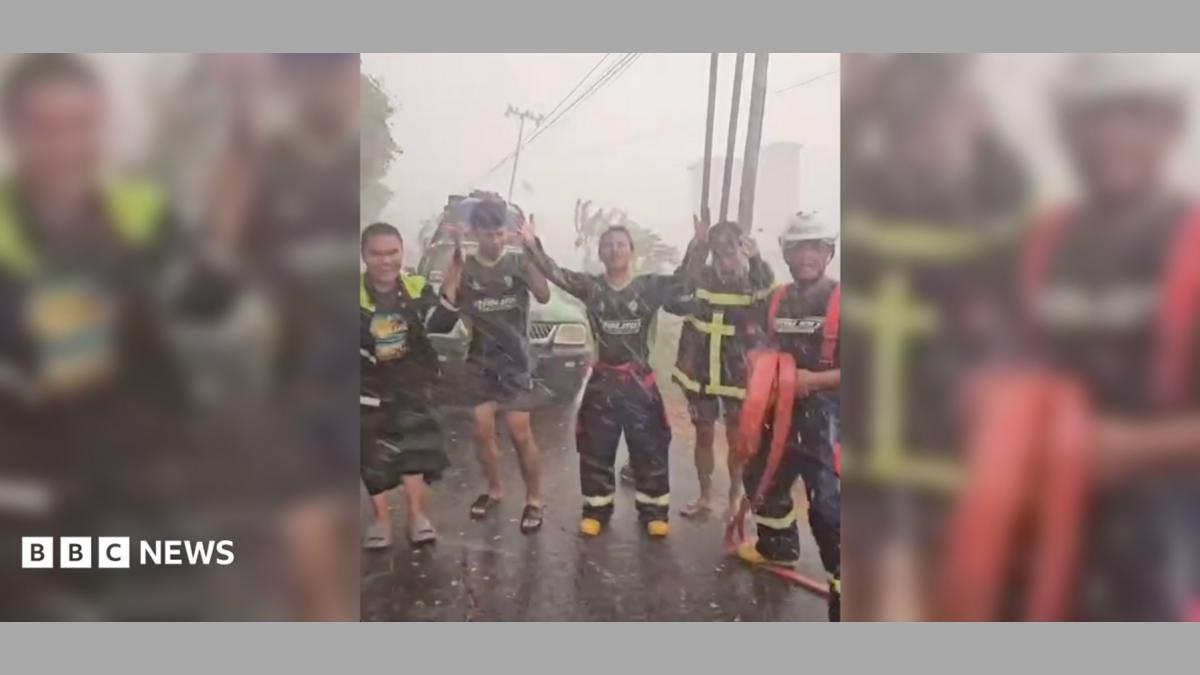
As the Indonesian archipelago faces one of its most intense wildfire seasons in recent memory, a series of videos has emerged showing firefighters joyfully celebrating in the rain. The clips, shared widely on social media and reported by BBC News, depict personnel in firefighting gear dancing, raising their hands, and laughing amid downpours that have briefly interrupted the spread of blazes. While the scenes appear to be a moment of relief, they also underscore the severity and unpredictability of the fires, which have been burning for weeks across several provinces.
The wildfires, primarily fueled by dry vegetation and prolonged drought, have affected regions including Sumatra, Kalimantan, and parts of Java. These areas are home to dense rainforests and peatlands, which, when ignited, can burn for months due to their deep, carbon-rich soil. The fires have released massive amounts of smoke and particulate matter, impacting air quality and public health across the region and beyond.
Contextual Background: The Fire Season in Indonesia
Indonesia has long faced recurring wildfire seasons, particularly during the dry months of May to October. The country's vast tropical forests and peatlands are highly flammable, especially when combined with high temperatures and low humidity. In recent years, the frequency and intensity of these fires have increased, driven by both natural conditions and human activity, including land clearing for agriculture and palm oil plantations.
According to data from Indonesia’s Ministry of Environment and Forestry, the country has recorded over 100,000 fires annually in the past decade, with the number rising in the last three years. The 2023 season saw a 30% increase in fire incidents compared to the previous year, with over 12,000 fires reported in just one month. These figures are not officially verified in real-time, but they reflect a consistent upward trend in fire activity.
The fires have been linked to climate change, as rising global temperatures have led to longer dry seasons and more frequent heatwaves. Indonesia, being a tropical nation with a high concentration of forested areas, is particularly vulnerable to these shifts. The country's climate patterns are increasingly influenced by El Niño events, which have intensified in frequency and strength over the past decade.
Firefighters in the Field: A Human Response to Crisis
The videos of firefighters celebrating in the rain are not a common occurrence during firefighting operations. Typically, firefighting efforts are conducted under extreme conditions—high heat, low visibility, and hazardous terrain—where safety and coordination are paramount. The celebration, therefore, appears to be a spontaneous and emotional reaction to a rare natural event: rainfall that temporarily douses the flames.
One clip, shared by a local news outlet in Sumatra, shows a group of firefighters in full gear dancing in a small clearing after a sudden downpour. Another video, posted on a social media platform, captures a team of personnel laughing and waving as rain begins to fall over a burning area. These moments are not only emotionally significant but also serve as a testament to the resilience and adaptability of those on the front lines.
Firefighters in Indonesia have reported that such rain events are rare and unpredictable. In some regions, rainfall can occur only once every few months during the dry season. When it does, it often comes in short bursts and is not sufficient to extinguish large-scale fires. However, the sudden arrival of rain can provide a critical window of opportunity for containment and recovery efforts.
Why the Celebration? A Psychological and Cultural Perspective
The celebration of rain during a fire season is not merely a reaction to weather—it reflects deeper psychological and cultural dynamics. In many rural communities in Indonesia, fire is both a natural phenomenon and a symbol of danger. The presence of rain, especially in the dry season, is often seen as a sign of divine intervention or a blessing.
Local traditions in some regions include rituals to thank the gods for rain, and the firefighters’ actions may be interpreted as a form of cultural expression. In this sense, the celebration is not just about the weather, but about the human connection to nature and the hope that the crisis may be temporarily alleviated.
Psychological studies on disaster response suggest that such spontaneous joy can serve as a vital emotional release for personnel facing prolonged stress. Firefighters often work in high-pressure environments, where fatigue, exposure to smoke, and the loss of life are common. A moment of levity, even if brief, can help maintain morale and mental well-being.
Environmental and Health Impacts of the Fires
Despite the temporary relief brought by rain, the fires have had significant environmental and public health consequences. Smoke from the blazes has spread across the region, affecting air quality in cities such as Jakarta, Bandung, and Medan. The World Health Organization has issued warnings about the health risks of prolonged exposure to wildfire smoke, including respiratory distress, eye irritation, and increased risk of cardiovascular issues.
Indonesia’s Ministry of Health has reported a rise in hospital admissions related to respiratory conditions during the fire season. In one province, there was a 40% increase in emergency visits to hospitals over a two-week period, with patients reporting symptoms such as coughing, shortness of breath, and chest pain. These figures are based on hospital records and are consistent with global health data on wildfire-related illness.
Moreover, the fires have contributed to carbon emissions, with estimates suggesting that the 2023 season released over 100 million tons of CO₂ into the atmosphere. This is equivalent to the annual emissions of over 20 million cars. While the exact contribution of the fires to Indonesia’s overall carbon footprint is not yet fully quantified, the environmental impact is widely recognized by climate scientists.
Government and International Response
Indonesia has taken several steps to address the fires, including deploying more firefighting units, launching aerial firefighting operations, and increasing monitoring of fire-prone areas. The government has also introduced stricter regulations on land clearing and agricultural practices, particularly in regions with high fire risk.
However, enforcement remains inconsistent. In some areas, landowners continue to clear forests for agriculture, often without proper permits or environmental assessments. The lack of effective oversight and the economic incentives behind land use have made it difficult to implement long-term solutions.
International organizations, including the United Nations and the World Bank, have called for greater investment in early warning systems and sustainable land management. The UN Environment Programme has emphasized the need for integrated approaches that combine environmental protection with community-based solutions.
Challenges Ahead: Climate Change and Future Preparedness
While the rain has provided temporary relief, the underlying causes of the fires—climate change, deforestation, and unsustainable land use—remain unresolved. As global temperatures continue to rise, the likelihood of extreme weather events, including prolonged droughts and sudden rainfall, will only increase.
Experts warn that without significant policy changes and investment in climate resilience, Indonesia may face even more severe fire seasons in the coming years. The country’s forests, which are critical for carbon sequestration and biodiversity, are at risk of irreversible damage.
Long-term solutions will require a combination of technological innovation, such as satellite monitoring and AI-driven fire prediction systems, and social change, including education and economic incentives for sustainable land use. The celebration of rain may symbolize a moment of hope, but it does not negate the urgent need for systemic action.
As the fires continue to burn in various parts of Indonesia, the world watches closely. The footage of firefighters celebrating in the rain may seem like a small, joyful moment—but it is a powerful reminder of the human element in environmental crises. It reflects both the vulnerability of ecosystems and the resilience of those who protect them.