
Lead
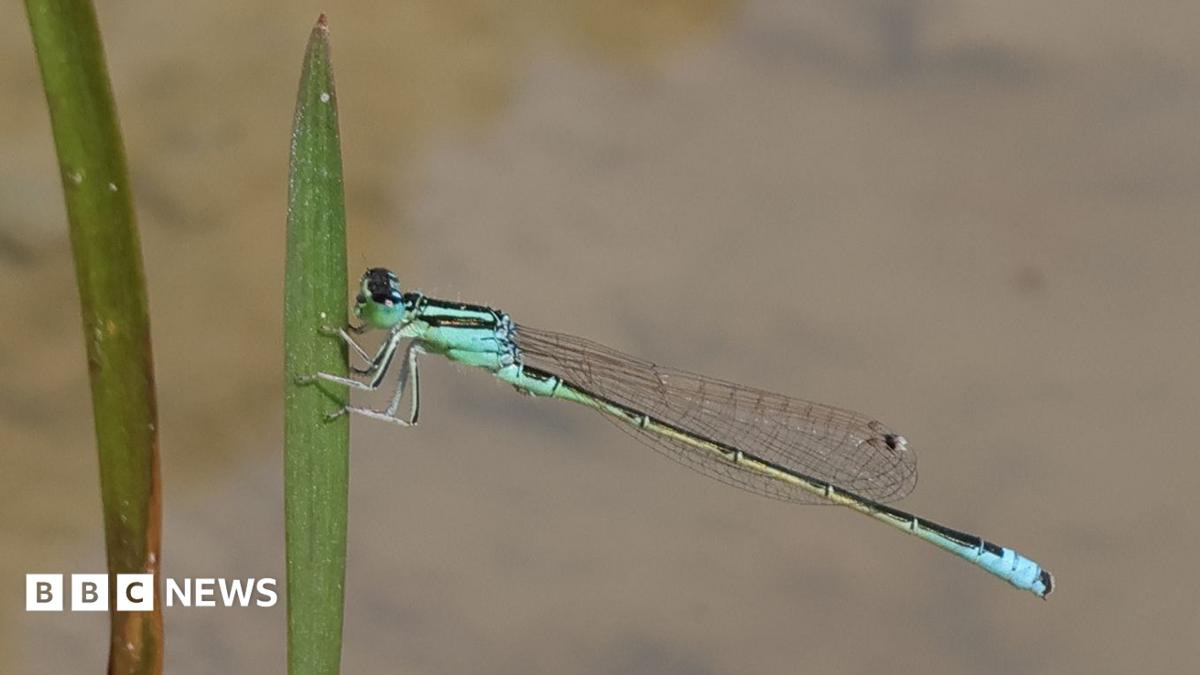
For the first time in decades, a rare damselfly species has been spotted in a restored wetland along a chalk river in Hertfordshire and Middlesex. The sighting, confirmed by the Herts and Middlesex Trust, underscores the ecological benefits of recent wetland restoration projects. The presence of this species—historically uncommon in the region—suggests that the environmental interventions are fostering a revival of biodiversity in a landscape once considered degraded.
The Herts and Middlesex Trust, a conservation body responsible for managing natural habitats in the region, has stated it is 'thrilled' by the emergence of the damselfly in the newly developed wetlands. The trust emphasized that the sighting is not just a singular event but a sign of broader ecological recovery, indicating that the restoration efforts are yielding tangible results.
Background: The Chalk River Ecosystem
The chalk river system in Hertfordshire and Middlesex is part of a larger network of rivers and streams that flow through the Chalk Downlands. These rivers, formed from the erosion of chalk bedrock, are known for their unique hydrology and low nutrient content. Historically, such environments have been vulnerable to habitat loss due to agricultural expansion, urban development, and drainage projects.
For decades, the river system has faced degradation, with many of its natural wetland features removed or altered. These changes disrupted the delicate balance of aquatic ecosystems, leading to a decline in species diversity. The loss of wetlands, in particular, has had a significant impact on insect populations, including damselflies, which rely on specific microhabitats for breeding and survival.
Wetland Restoration Efforts
Between 2020 and 2023, the Herts and Middlesex Trust initiated a series of wetland restoration projects along the chalk river corridor. These efforts included re-establishing natural water flow patterns, reintroducing native vegetation, and creating shallow pools and riparian zones that mimic pre-industrial conditions.
The projects were designed with input from ecologists and environmental scientists to ensure that the restored habitats meet the needs of native species. The trust worked closely with local landowners and government agencies to secure funding and coordinate land use changes. The restoration process involved removing invasive plant species, restoring natural floodplains, and improving water quality through reduced runoff and sedimentation.
These interventions were not only aimed at improving water quality but also at re-establishing the ecological connectivity between river systems and surrounding upland areas. The goal was to create a resilient network of habitats that could support a wider range of species, from amphibians to invertebrates.
Ecological Significance of the Damselfly Sighting
The damselfly species observed—identified as Coenagrion scitulum—is considered rare in the region. It typically inhabits small, shallow wetlands with clear, flowing water and abundant emergent vegetation. Its presence in the restored wetlands indicates that the habitat conditions have been successfully recreated to meet its specific requirements.
While the species is not globally endangered, its historical absence from the chalk river system suggests that the ecosystem had lost its ability to sustain such populations. The reappearance of the damselfly is therefore a meaningful indicator of ecological recovery. It reflects not only the success of habitat restoration but also the resilience of species that had previously been pushed to the margins of their range.
Ecologists note that damselflies are sensitive to changes in water quality, temperature, and vegetation. Their presence is often used as a bioindicator of ecosystem health. The fact that this species has returned after decades of absence suggests that the restoration efforts have addressed key environmental stressors.
Conservation Trust's Response
The Herts and Middlesex Trust has released a public statement expressing its enthusiasm for the sighting. In a press release, the trust said: 'We are thrilled to see the new wetlands supporting species that had not been seen in decades. This is a powerful reminder of what can be achieved through dedicated conservation work.' The trust has since launched a monitoring program to track the damselfly population and assess its long-term viability in the restored habitats.
As part of this initiative, the trust plans to expand monitoring to other insect species, including dragonflies, beetles, and aquatic invertebrates. The data collected will be used to evaluate the broader ecological impacts of the restoration projects and inform future conservation strategies.
Scientific Context and Broader Implications
While the BBC News article does not provide specific data on the damselfly population size or the timeline of its return, it does place the sighting within a broader context of ecological recovery. Similar restoration projects in other parts of the UK have shown positive outcomes, such as the return of rare butterfly species and the re-establishment of native plant communities.
For instance, the River Wensum restoration in Norfolk saw a resurgence of the silver-studded blue butterfly, a species previously thought to be extinct in the region. These cases demonstrate that targeted habitat restoration can reverse biodiversity declines, especially when implemented with scientific rigor and community involvement.
However, the BBC report does not offer details on the exact conditions that enabled the damselfly’s return. Questions remain about whether the species was always present in the area but only recently detected, or whether it migrated from a nearby region. Without further data, such as genetic analysis or historical records, it is difficult to determine the full scope of the species’ presence.
Challenges and Limitations
Despite the positive developments, the report does not address potential challenges to the long-term success of the restoration. For example, climate change, increasing urban development, and seasonal variations in rainfall could affect the stability of the wetland habitats. The trust has not yet published a risk assessment or a plan for adaptive management in response to these threats.
Additionally, the BBC article does not mention any community engagement efforts or public access to the restored wetlands. While such access can enhance environmental education and stewardship, it also raises concerns about human impact on sensitive ecosystems. The trust has not provided information on visitor policies or environmental safeguards.
Future Outlook and Conservation Strategy
The Herts and Middlesex Trust has indicated that the damselfly sighting will be used as a benchmark for future ecological assessments. The trust plans to conduct annual surveys to monitor population trends and assess the health of the wetland ecosystem.
These surveys will be integrated into a larger conservation framework that includes habitat connectivity, water quality monitoring, and species recovery plans. The trust has also committed to publishing detailed reports on the project’s progress, with a focus on transparency and scientific accuracy.
Looking ahead, the success of this project could serve as a model for similar restoration initiatives in other regions with degraded river systems. If the damselfly population stabilizes and expands, it may signal a broader recovery of the chalk river ecosystem, potentially leading to the return of other species that depend on similar habitats.
However, the long-term sustainability of the project remains dependent on continued funding, public support, and policy alignment. Without these elements, even successful short-term outcomes may not translate into lasting ecological benefits.
The sighting of the rare damselfly is a promising sign of ecological recovery. It demonstrates that well-planned restoration efforts can re-establish biodiversity in degraded environments. While the full implications of this event are still being studied, the case of the chalk river offers a valuable case study in the power of targeted conservation interventions.