
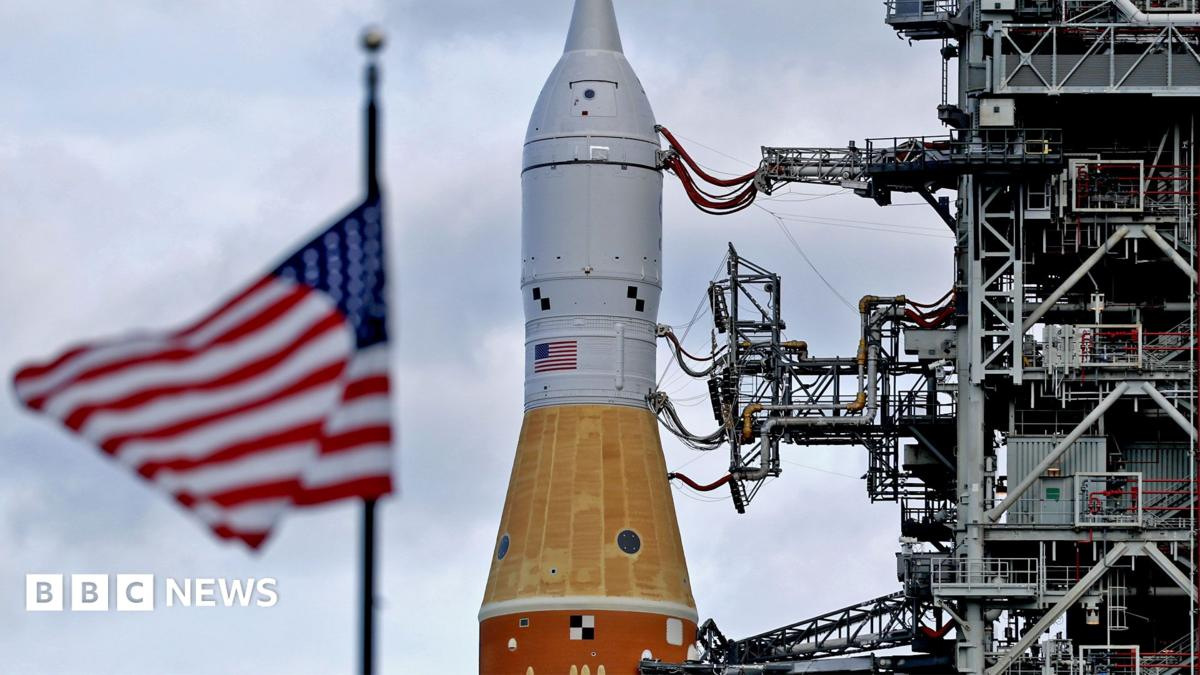
Introduction: The Artemis III Mission and Its Strategic Role
Artemis III is the third mission in NASA's Artemis program, a series of lunar exploration initiatives designed to return humans to the Moon and establish a sustainable presence there. Unlike its predecessors, which focused on uncrewed spacecraft or robotic operations, Artemis III is specifically designed to carry astronauts back to the lunar surface—marking the first crewed lunar landing since Apollo 17 in 1972.
The mission is not a standalone endeavor but a vital component of a broader strategy. Its primary objective is to test and validate key systems that will be used in the upcoming Artemis IV mission, scheduled for 2028. These systems include advanced spacecraft technologies, life support mechanisms, navigation tools, and lunar surface operations protocols. By conducting a successful crewed landing, Artemis III will provide real-world data on how these systems perform under actual lunar conditions, which is essential for the safety and efficiency of future missions.
Background: The Artemis Program and Its Evolution
The Artemis program was officially launched in 2017 with the goal of returning humans to the Moon by the end of the decade. The program is structured in phases, each building on the previous one. Artemis I, launched in 2022, was an uncrewed test flight of the Space Launch System (SLS) rocket and the Orion spacecraft. It successfully completed a lunar orbit and returned to Earth, validating the performance of the launch vehicle and spacecraft systems.
Artemis II, scheduled for 2024, is a follow-up mission that will carry astronauts around the Moon in an unpowered orbital flight. While it will not land on the Moon, it will test the human spaceflight aspects of the Artemis architecture, including crew safety, spacecraft operations, and communication systems. This mission is expected to serve as a critical bridge between the uncrewed Artemis I and the crewed Artemis III.
Artemis III, set for launch in 2025, will be the first crewed lunar landing since Apollo 17. It will use the Orion spacecraft, which has already undergone multiple test flights, and will be launched on the SLS rocket. The mission will deploy a crew of two astronauts—selected from NASA’s astronaut corps—to land on the Moon’s south pole region, an area of scientific interest due to the presence of water ice in permanently shadowed craters.
Key Objectives and Technical Components
The mission has several defined objectives. First, it will test the performance of the Orion spacecraft’s descent and landing systems under real lunar gravity conditions. This includes evaluating the heat shield, propulsion systems, and guidance software that allow the spacecraft to safely enter and land on the Moon’s surface.
Second, Artemis III will validate the operation of the Lunar Surface Systems (LSS), which include the lunar lander, the Extravehicular Mobility Unit (EMU), and the lunar surface interface equipment. These systems are designed to support astronauts during extravehicular activities (EVAs), such as walking on the Moon’s surface or conducting scientific experiments.
Third, the mission will assess the effectiveness of communication and navigation systems in the lunar environment. Unlike Earth-based operations, lunar missions face significant signal delays and interference, making reliable communication a critical challenge. Artemis III will test how these systems perform during actual operations, providing data for future missions.
Finally, the mission will serve as a testbed for new technologies, such as autonomous navigation and in-situ resource utilization (ISRU) tools. These innovations are intended to support long-term lunar exploration and may eventually be used in future missions to Mars or beyond.
Timeline and Launch Schedule
As of the latest updates, Artemis III is scheduled for launch in late 2025. The exact date has not been finalized, but it is expected to occur during the second half of the year. The mission will follow a standard launch window that aligns with the Moon’s orbital position, ensuring optimal trajectory and fuel efficiency.
After launch, the Orion spacecraft will travel to lunar orbit, where it will perform a series of orbital maneuvers. Once in orbit, the spacecraft will separate from the SLS rocket and begin its descent to the Moon’s surface. The landing will occur in the lunar south pole region, a scientifically valuable area that has not been explored by humans since the Apollo era.
Following the landing, astronauts will remain on the surface for approximately 48 hours before returning to the lunar lander and ascending back to lunar orbit. The spacecraft will then re-enter Earth’s atmosphere and splash down in the Pacific Ocean, where recovery teams will retrieve the crew and spacecraft.
Scientific and Strategic Implications
Artemis III is not only a technical milestone but also a strategic one. The south pole region of the Moon is believed to contain water ice, which could be used to produce oxygen and fuel for future missions. By landing in this area, Artemis III will provide the first human access to these resources, paving the way for sustainable lunar operations.
Moreover, the mission will support international collaboration. NASA has partnered with several space agencies, including the European Space Agency (ESA), the Japanese Aerospace Exploration Agency (JAXA), and the Canadian Space Agency (CSA), to develop components of the Artemis program. These partnerships will be tested and validated during Artemis III, ensuring that future missions can leverage global expertise and infrastructure.
The data collected from Artemis III will also inform the design of the Artemis IV mission, which is planned for 2028. Artemis IV will aim to land a larger crew—up to four astronauts—on the Moon, with a focus on long-duration surface operations. The success of Artemis III will directly influence the readiness of the spacecraft, life support systems, and landing technologies required for this mission.
Challenges and Risks
Despite its clear objectives, Artemis III faces several technical and operational challenges. One of the primary concerns is the reliability of the lunar lander, which is a critical component of the mission. The lander must navigate the Moon’s uneven terrain, avoid obstacles, and land safely in a designated area. Any failure during this phase could result in a loss of the crew or mission failure.
Another challenge is the complexity of the lunar environment. The Moon lacks a protective atmosphere and magnetic field, exposing spacecraft and astronauts to higher levels of radiation. This increases the risk of equipment malfunction and health issues for crew members. While radiation shielding has been incorporated into the Orion spacecraft, its effectiveness under real conditions remains to be fully tested.
Additionally, the mission will rely on precise navigation and communication systems. Any delay or error in signal transmission could compromise the safety of the astronauts or the success of the landing. NASA has invested in advanced technologies to mitigate these risks, but they remain a significant concern for mission planners.
Broader Context: The Future of Lunar Exploration
Artemis III is part of a larger vision for deep space exploration. The Moon is being positioned as a stepping stone for future missions to Mars and beyond. By establishing a sustainable presence on the Moon, NASA aims to develop the technologies, experience, and infrastructure needed for long-duration space travel.
Long-term goals include the establishment of a lunar base by the late 2030s, which could serve as a research hub and a testing ground for technologies used in deep space missions. Artemis III will provide the foundational data and experience necessary to achieve these goals.
Moreover, the mission aligns with international efforts to promote space exploration as a collaborative endeavor. The Artemis Accords, signed by multiple countries, emphasize peaceful use of space and the sharing of scientific data. Artemis III will serve as a practical demonstration of these principles, fostering cooperation among nations in space exploration.
While the mission is focused on the Moon, its outcomes will have implications for future human spaceflight. The technologies and operational procedures developed during Artemis III will likely be adapted for missions to Mars, the asteroid belt, or even interplanetary travel. This makes the mission not just a lunar milestone, but a foundational step in humanity’s journey beyond Earth.
In conclusion, Artemis III is a pivotal mission in NASA’s long-term strategy for space exploration. It will test essential systems for future lunar and deep space missions, validate new technologies, and provide critical data for the 2028 Artemis IV landing. As humanity continues to reach for the stars, Artemis III stands as a bridge between past achievements and future possibilities—proving that the Moon, once a distant frontier, is now within reach again.