
Lead
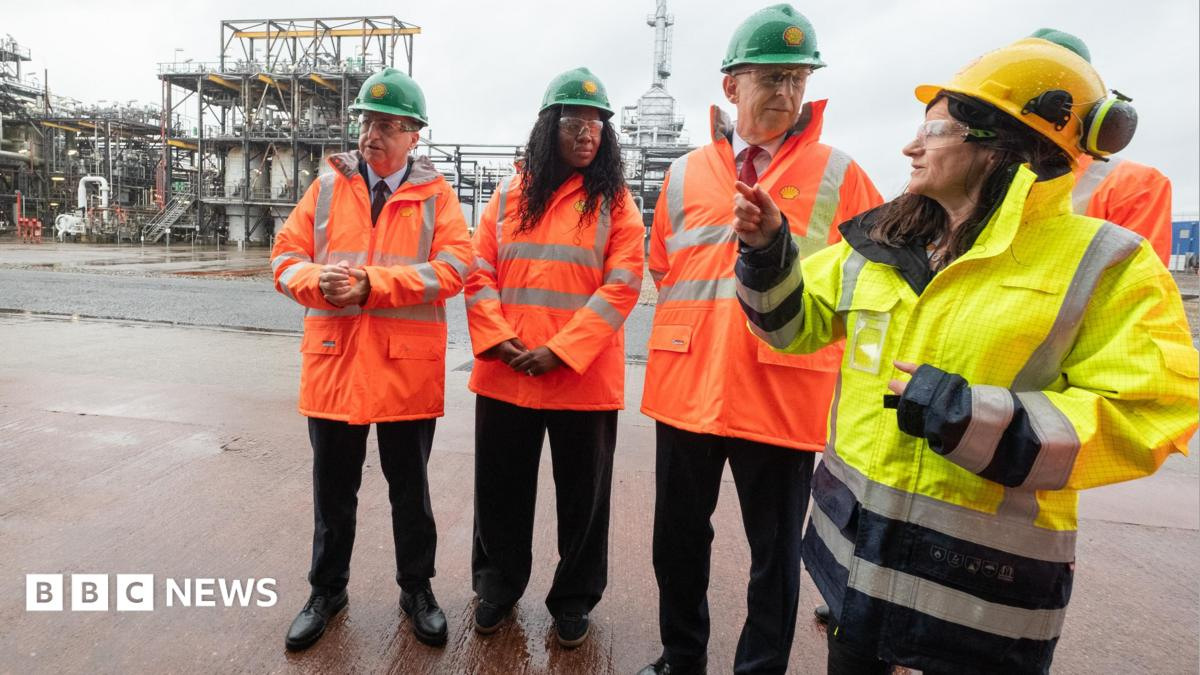
As the Scottish Labour Party grapples with internal divisions, a significant political battle has intensified over the future of the Rosebank oil field. The issue has become a flashpoint in the party's broader ideological and strategic debates, particularly concerning energy policy, environmental sustainability, and economic development. Scottish Labour leader Michael Marra has publicly urged the UK energy secretary to approve the proposed development of the field, positioning himself as a key advocate for energy infrastructure and economic growth.
The Rosebank oil field, located in the North Sea off the coast of Scotland, has long been a subject of interest due to its potential for hydrocarbon production. While it has not been developed to any significant extent in recent years, the renewed discussion around its viability has reignited debate within the Labour Party about how to balance climate commitments with energy security and regional economic needs.
Background of the Rosebank Field
The Rosebank oil field was first identified in the 1970s and has since been assessed for potential development. It lies approximately 120 kilometers (75 miles) northeast of the Shetland Islands, within the North Sea basin. The field is estimated to contain around 100 million barrels of oil equivalent, according to industry assessments. However, detailed production data and current development plans remain limited in public records.
Historically, the field has been considered a potential asset for Scotland’s energy sector, especially during periods of high demand or energy insecurity. However, its development has been repeatedly delayed due to economic, environmental, and regulatory considerations. The field has not undergone any major development since the early 2000s, with no commercial production reported in recent years.
Internal Party Divisions
Within the Scottish Labour Party, the debate over the Rosebank field has become a symbol of deeper ideological fractures. While Michael Marra, the party’s leader, has consistently supported the development of the field, other senior figures within the party have expressed reservations. These concerns are rooted in Labour’s broader commitment to net-zero emissions by 2050 and its pledge to phase out fossil fuel infrastructure.
Marra’s public advocacy for the field reflects a faction within the party that prioritizes energy independence and job creation in rural and coastal communities. He has stated in interviews that approving the Rosebank project would support local employment and strengthen Scotland’s energy resilience. However, this position has drawn criticism from environmental and climate-focused Labour members who argue that new fossil fuel projects contradict the party’s stated environmental goals.
There is no official record of formal party debates or votes on the Rosebank project. The discussion remains largely informal and has been reported through media coverage and public statements. As such, the issue has not yet been formally addressed in party policy documents or official statements.
Government and Departmental Position
The UK Department for Energy Security and Net Zero, which oversees energy policy, has not issued a formal position on the Rosebank field. The energy secretary, currently held by Ruth Davidson, has not publicly commented on the proposal. However, the department has maintained a cautious approach to new fossil fuel developments, emphasizing the need for a transition to renewable energy sources.
Government policy has consistently prioritized the expansion of renewable energy, including offshore wind and hydrogen projects. The Department has also emphasized that any new fossil fuel projects must undergo rigorous environmental and economic assessments. As of the latest available information, no official feasibility study or environmental impact assessment has been published for the Rosebank field.
Environmental and Climate Concerns
Environmental groups have raised concerns about the potential ecological impact of developing the Rosebank field. The North Sea region is home to sensitive marine ecosystems, including breeding grounds for seabirds and migratory fish species. Any new drilling activity could disrupt these habitats, particularly if conducted without comprehensive environmental safeguards.
Organizations such as the Scottish Environmental Defence Group and the Marine Conservation Society have called for a full environmental impact assessment before any development is approved. They argue that the field’s development would contradict Scotland’s commitment to reducing carbon emissions and protecting biodiversity.
While the BBC News article does not provide specific data on the potential environmental impact, it notes that the field’s location and depth have been factors in past assessments. The absence of a formal environmental study raises questions about the transparency and thoroughness of the current proposal.
Political Context and Labour’s Energy Strategy
The debate over Rosebank is part of a broader political context in which Labour is redefining its energy strategy. The party has recently emphasized a balanced approach—supporting energy security while advancing climate goals. This duality has created tension between economic development and environmental sustainability.
Labour’s official policy statements do not currently include a specific commitment to developing the Rosebank field. The party’s energy strategy focuses on expanding renewable energy infrastructure, such as offshore wind farms and green hydrogen projects. These initiatives are seen as more aligned with long-term climate objectives and international commitments.
However, the internal push for fossil fuel development suggests that some Labour members believe that energy security cannot be fully achieved through renewables alone. This view is particularly strong in rural and coastal constituencies where traditional energy industries have historically provided employment.
Public and Stakeholder Reactions
Public opinion on the Rosebank project remains largely unmeasured. There are no official surveys or polling data available on public support for the field’s development. However, media coverage has indicated that the issue is generating interest among local communities, particularly in the Shetland and Orkney regions, where economic development is a key concern.
Local councils and community groups have not issued formal statements on the proposal. The lack of public engagement suggests that the issue is still in its early stages of public discourse. Any potential development would likely require extensive consultation with local stakeholders before moving forward.
Timeline and Current Status
As of the latest available information, there has been no official announcement or formal proposal for the development of the Rosebank oil field. The BBC News article reports only that Michael Marra has urged the energy secretary to approve the plans, without specifying when or how these plans were formulated.
No timeline has been established for any potential development. The field has not been included in any government energy development pipeline, nor has it been referenced in any recent energy strategy documents. The absence of a formal proposal raises questions about the origin and credibility of Marra’s public advocacy.
Implications for Labour’s Future
If the Rosebank project were to move forward, it could have significant implications for Labour’s credibility and policy direction. Approval of a fossil fuel project would likely face strong opposition from environmental groups and could undermine the party’s climate commitments.
Moreover, such a move could strain relationships with other political parties, particularly the Green Party and the Scottish National Party, which have consistently opposed new fossil fuel developments. The issue may also become a focal point in upcoming elections, where energy policy could be used to appeal to voters in specific regions.
However, if the project is not pursued, the debate may shift toward broader questions about Labour’s energy transition strategy. The party may need to clarify its position on fossil fuel development and how it balances economic growth with environmental responsibility.
Conclusion and Outlook
The political battle over the Rosebank oil field reflects a deeper tension within the Scottish Labour Party between economic development and environmental sustainability. While Michael Marra has publicly advocated for the field’s development, no formal proposal or government endorsement exists.
The issue remains in a preliminary stage, with no environmental assessments, no official policy statements, and no public consultation processes reported. As of now, the field is not part of any active energy development program, and its future remains uncertain.
For the Scottish Labour Party, the debate over Rosebank underscores the challenges of maintaining a coherent energy policy in a rapidly evolving climate. Without clear data, formal assessments, or public engagement, the issue remains a symbolic rather than a practical policy concern. The party’s next steps will likely depend on whether it can reconcile its economic ambitions with its environmental commitments—both of which are central to its long-term political viability.