
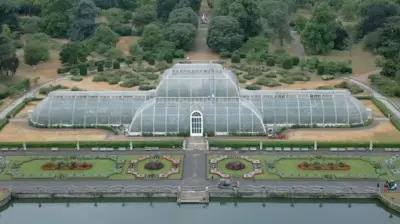
The Royal Botanic Gardens Kew in London is set to undergo a significant renovation of its world-renowned Palm House. This iconic structure, one of the largest glass and iron structures in the world, has been in operation since 1849 and is home to over 1,300 plant species. The upcoming makeover aims to modernize the building’s infrastructure while preserving its unique ecosystem and the diverse plant life it supports.
The project is not simply a cosmetic update. It involves a comprehensive overhaul of the building’s climate control systems, structural integrity, and internal layout. The renovation is expected to extend over several years, with work beginning in 2024. The goal is to ensure the Palm House remains a viable and sustainable environment for tropical and subtropical plants, many of which are rare or endangered.
Challenges of Moving 1,300 Plants
Moving 1,300 plants—ranging from ferns and orchids to palms and cycads—is a complex logistical and scientific challenge. Each plant has specific environmental needs, including humidity, temperature, light exposure, and soil composition. The process must be executed with extreme care to avoid damage or stress that could lead to plant death.
According to BBC News, the team at Kew has developed a detailed protocol for relocating the plants. This includes pre-move assessments, temporary storage solutions, and post-move monitoring. Plants are categorized by species, size, and sensitivity. Those most vulnerable—such as epiphytic orchids or species with delicate root systems—are prioritized for protection.
Each plant is removed from its original position using specialized tools and techniques. For instance, some species are gently lifted from their substrate using soft brushes and air-suction devices to prevent root damage. Others are carefully pruned or trimmed to reduce stress during transport.
During transit, plants are placed in climate-controlled containers that mimic the conditions of their original environment. These containers are monitored continuously for temperature, humidity, and air circulation. The entire process is conducted in a controlled environment to minimize exposure to fluctuations that could harm plant health.
Scientific Protocols and Environmental Monitoring
The relocation process is guided by established horticultural science. The team at Kew has collaborated with botanists and conservation experts to develop a set of best practices for plant movement. These include baseline measurements of plant health before relocation, and post-relocation assessments to evaluate recovery and growth.
Each plant is assigned a unique identifier, allowing staff to track its condition throughout the process. Data is recorded in digital logs, including photos, temperature logs, and observations of leaf color and growth patterns. This information is used to identify any signs of stress or disease and to adjust care protocols accordingly.
Environmental monitoring is conducted both during and after the move. Sensors are installed in the storage areas and temporary growing spaces to ensure that humidity and temperature remain within safe ranges. The data is analyzed in real time, with adjustments made as needed to maintain optimal conditions.
One of the key challenges is maintaining the microclimate of the Palm House. The structure is designed to replicate tropical environments, with specific humidity levels and airflow patterns. Any disruption during the move could compromise the survival of sensitive species.
Timeline and Phases of the Project
The renovation is being carried out in phases. The first phase, which began in early 2024, involves the disassembly of the existing structure. This includes removing the old glass panels, roofing, and internal supports. The work is being done in a way that minimizes disruption to the plant life currently housed in the building.
Following disassembly, the second phase focuses on the relocation of the 1,300 plants. This phase is expected to take between 12 to 18 months. During this time, the team will move plants to temporary growing spaces within the gardens, where they will be monitored for health and recovery.
The third phase involves the construction of the new structure. This includes the installation of modern climate control systems, improved ventilation, and updated structural materials. The new design will incorporate energy-efficient technologies, such as solar panels and smart sensors, to reduce the building’s environmental footprint.
Once the new structure is built, the plants will be gradually reintroduced into the Palm House. This reintegration process will be carefully managed, with each plant being placed in its original or adjusted position based on its needs and the new environmental conditions.
Conservation and Biodiversity Goals
The renovation is not just about updating infrastructure—it is also a conservation initiative. The Palm House houses a wide variety of plant species, many of which are native to regions that are now threatened by climate change or habitat loss. By preserving and protecting these species, Kew aims to contribute to global biodiversity efforts.
Several of the plants in the Palm House are considered rare or endangered. For example, the species Calathea makoyana and Dracaena sanderiana are found only in specific tropical regions and are vulnerable to environmental changes. The project includes a dedicated conservation component to ensure these species are not lost during the transition.
Kew Gardens has a long history of plant conservation. Since its founding in 1799, the gardens have played a key role in the discovery, preservation, and study of plant species. The Palm House renovation is part of a broader strategy to maintain Kew’s role as a global center for botanical research and conservation.
Public Engagement and Educational Value
The project is expected to generate significant public interest. Kew Gardens has already launched a public awareness campaign to explain the renovation process and its importance. Educational materials, including videos and interactive displays, will be available to visitors during the project.
Visitors will be able to see the progress of the work through guided tours and live updates. The gardens plan to offer behind-the-scenes access to the plant relocation team, allowing the public to witness the delicate care involved in moving such a large number of plants.
Additionally, the project will include a series of educational workshops and events focused on plant conservation, climate resilience, and sustainable gardening. These initiatives aim to inspire a broader public understanding of the importance of biodiversity and environmental stewardship.
The public engagement component reflects Kew’s broader mission to connect people with nature. By making the process transparent and accessible, the gardens hope to foster greater appreciation for the role of botanical gardens in environmental protection.
Implications for Future Botanical Projects
The Palm House renovation sets a precedent for future conservation and infrastructure projects in botanical gardens worldwide. The detailed protocols developed for moving 1,300 plants could serve as a model for similar operations in other institutions.
As climate change continues to threaten plant habitats, the ability to preserve and relocate plant species becomes increasingly important. The success of this project could influence how other institutions approach the maintenance and adaptation of their living collections.
Moreover, the integration of modern technology—such as climate sensors and digital monitoring—into traditional horticultural practices highlights a growing trend in conservation science. These tools allow for real-time data collection and decision-making, improving both efficiency and outcomes.
Experts suggest that the lessons learned from this project could be applied to other large-scale plant relocation efforts, such as those involving endangered species or those under threat from urban development.
While the project is focused on the Palm House, its broader implications extend to global efforts to protect biodiversity. As more plant species face extinction due to climate change and habitat loss, initiatives like this one underscore the need for proactive, science-based conservation strategies.
The renovation of the Palm House is more than a structural update—it is a demonstration of how science, conservation, and public engagement can work together to protect the natural world. As the project progresses, it will serve as a living example of how botanical gardens can adapt to the challenges of the 21st century while preserving the legacy of plant life for future generations.