
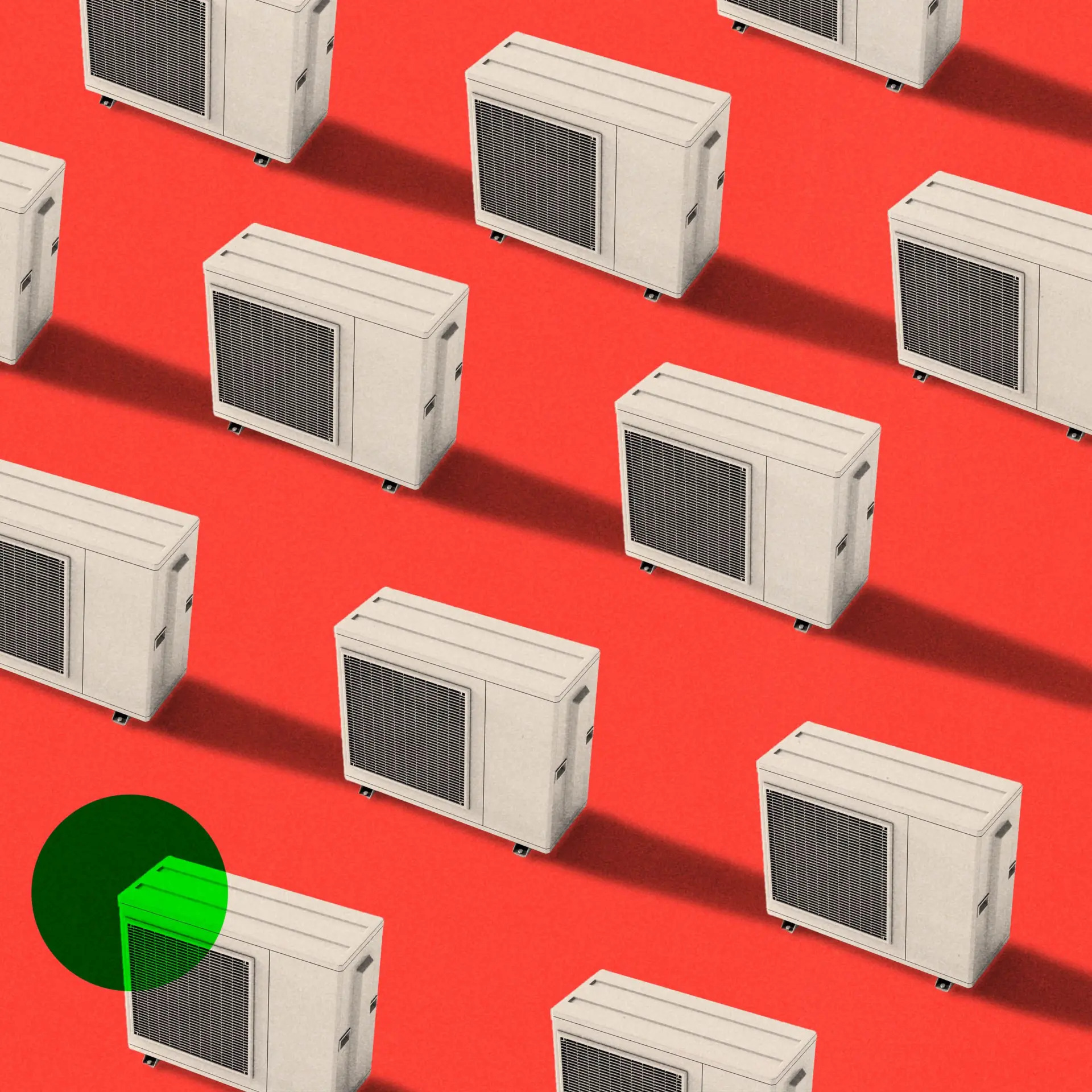
The United Kingdom is experiencing a dramatic transformation in its climate patterns, with record-breaking heatwaves becoming increasingly frequent. These extreme temperatures are prompting a national debate about the role of air conditioning in everyday life — a technology once considered a luxury, now being reconsidered as a necessity in certain contexts.
While air conditioning has long been associated with warmer regions such as the United States, Middle East, and parts of Asia, its presence in the UK has remained limited due to historical, economic, and environmental concerns. However, recent climate trends are altering that perception. In 2023, the UK recorded its hottest summer on record, with temperatures in parts of southern England exceeding 38°C (100°F). This marked a significant departure from historical norms, with meteorological data indicating that such heat events are now occurring at a frequency that was previously unthinkable.
Historical Context and Public Perception
For decades, air conditioning in the UK was viewed as an impractical and expensive solution. The country’s climate, with its relatively mild winters and moderate summers, made the technology seem unnecessary. Additionally, the infrastructure for air conditioning — including electrical grids and refrigeration systems — was not widely developed or supported in residential or commercial buildings.
Public awareness of air conditioning was also shaped by cultural and economic factors. In the 1970s and 1980s, energy conservation was a major concern, and the use of electricity-intensive appliances like air conditioners was discouraged. The UK government promoted energy efficiency, and air conditioning was often seen as a symbol of excessive consumption.
Moreover, the environmental impact of air conditioning — particularly the use of refrigerants like hydrofluorocarbons (HFCs) — raised concerns. These substances are potent greenhouse gases, with global warming potentials hundreds of times greater than carbon dioxide. As climate change intensified, the environmental cost of air conditioning became a central point of contention.
Climate Trends and Rising Temperatures
According to the UK Met Office, average summer temperatures have risen by approximately 1.5°C since the 1980s. This warming trend is consistent with global climate models, which project that heat extremes will become more common in temperate regions due to greenhouse gas emissions.
Between 2019 and 2023, the UK experienced a series of heatwaves, with the most intense occurring in July 2022 and August 2023. In July 2022, temperatures in southern England reached 38.5°C, with parts of the country experiencing heat indices that exceeded 45°C when humidity was factored in. These conditions led to public health alerts, with hospitals reporting increased demand for care related to heat stress.
By 2023, the UK had recorded its highest summer temperature on record. The Met Office confirmed that the average temperature for July and August 2023 was 1.8°C above the 1981–2010 average. This level of warming is not only unprecedented but also indicates a shift in the baseline of what is considered normal weather.
Public and Policy Responses
As heatwaves intensified, both government bodies and civil society began to reevaluate the role of air conditioning. In 2023, the UK government launched a consultation on energy efficiency and heat resilience, which included a section on the potential use of air conditioning in homes and public buildings.
The consultation noted that while air conditioning is not currently a widespread solution in the UK, it may become more relevant in future decades as climate conditions evolve. The document acknowledged that the technology could help reduce heat-related illness, especially among vulnerable populations such as the elderly and those with pre-existing health conditions.
Several local authorities have already begun exploring pilot programs. For instance, the city of Bristol introduced a trial in 2023 to install air conditioning units in public buildings, including libraries and community centers. The initiative aimed to assess both the effectiveness of cooling in public spaces and the associated energy consumption and costs.
Meanwhile, the UK’s Department for Energy Security and Net Zero has emphasized the need for a balanced approach. It has stated that while air conditioning may offer benefits in extreme heat, its adoption must be evaluated in light of energy demand, carbon emissions, and affordability — particularly for low-income households.
Environmental and Economic Considerations
One of the primary concerns surrounding air conditioning is its energy consumption. A typical air conditioner can use between 1.5 and 3 kilowatts of power during operation, which significantly increases household electricity demand. In the UK, where electricity generation still relies on fossil fuels — particularly in regions with limited renewable capacity — this raises concerns about carbon emissions.
Additionally, the refrigerants used in air conditioning systems, such as HFCs, are known to contribute to global warming. The Kigali Amendment to the Montreal Protocol, which the UK has ratified, mandates a phase-down of these substances. However, the transition to low-GWP (global warming potential) refrigerants is still in progress, and many existing systems are not yet compatible with such alternatives.
Economically, air conditioning units can cost between £2,000 and £5,000 for a residential system, with installation fees adding another £1,000 to £3,000. This makes the technology inaccessible to many households, especially in lower-income areas. The cost of maintenance and replacement over time further compounds the financial burden.
These factors have led to a growing debate about whether the UK should embrace air conditioning as a standard feature in homes and public infrastructure. Critics argue that the environmental and financial costs outweigh the benefits, especially when alternative cooling strategies — such as improved insulation, shading, and ventilation — are available.
Alternatives and Mitigation Strategies
While air conditioning is not a panacea, several alternative strategies have been developed to manage heat in the UK. These include passive cooling techniques such as thermal mass, natural ventilation, and strategic building design.
For example, the use of high-performance insulation in homes can reduce indoor temperatures by up to 3°C, minimizing the need for active cooling. The UK’s Energy Saving Trust has reported that well-insulated homes can maintain comfortable temperatures even during heatwaves, reducing reliance on mechanical cooling.
Urban planning initiatives, such as the creation of green roofs and shaded public spaces, have also been promoted. Cities like Manchester and Leeds have implemented policies to increase tree cover and green infrastructure, which help to reduce the urban heat island effect.
Additionally, public health campaigns have been launched to educate residents on how to stay cool without relying on air conditioning. These include advice on using fans, staying hydrated, and avoiding prolonged exposure to outdoor heat.
Future Outlook and Policy Implications
Looking ahead, the UK’s climate trajectory suggests that heatwaves will continue to intensify. Climate projections from the UK Met Office indicate that by 2040, average summer temperatures could rise by another 1.5°C to 2.5°C, depending on global emissions trends.
If this warming continues, the need for effective cooling solutions will grow. However, the decision to adopt air conditioning must be informed by a comprehensive assessment of environmental, economic, and social factors.
Experts suggest that a phased and targeted approach may be most effective. This could include installing air conditioning in high-risk areas — such as hospitals, elderly care facilities, and public transport hubs — while promoting energy-efficient alternatives in residential settings.
Moreover, the UK’s commitment to net-zero emissions by 2050 will likely influence how air conditioning is integrated into the national energy system. As renewable energy sources such as wind and solar become more prevalent, the carbon footprint of air conditioning could be reduced, making it a more viable option in the long term.
Ultimately, the debate over air conditioning in the UK is not just about technology — it is about how society adapts to a changing climate. The conversation reflects a broader shift in public awareness and policy priorities, where comfort and resilience are being redefined in the face of environmental uncertainty.
The UK’s experience with extreme heat offers a valuable case study for other temperate nations. As climate change reshapes weather patterns globally, the question of whether to adopt air conditioning will become a central issue in urban planning, public health, and environmental policy — not just in the UK, but across the world.