
Lead
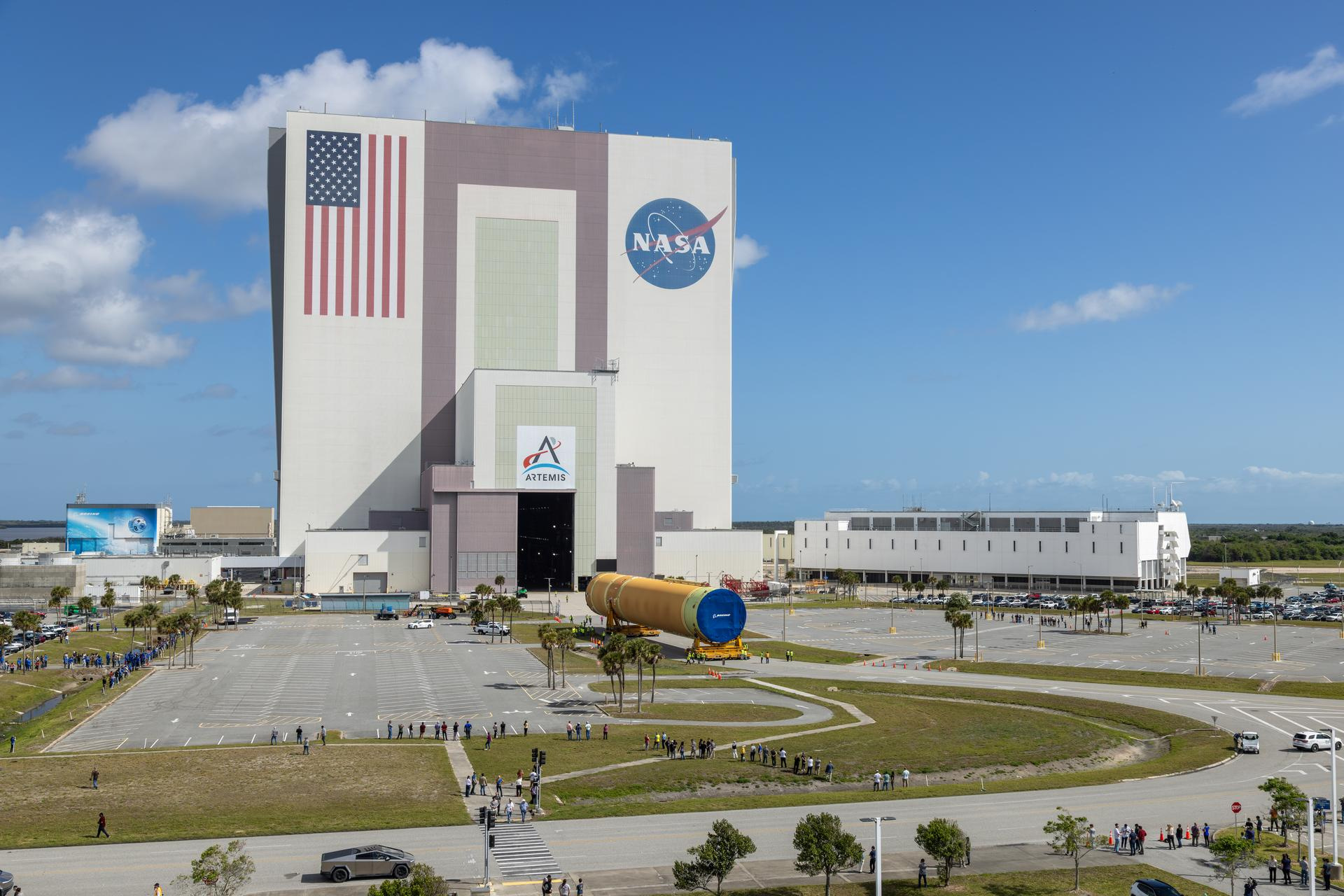
NASA has officially unveiled a series of key events for its upcoming MAX POWER aerospace expo and air show, set to take place from Friday, November 6 through Sunday, November 8, at the Kennedy Space Center in Florida. The events, hosted on and near the agency’s facilities, are designed to provide the public with immersive experiences that highlight NASA’s ongoing work in space exploration, aeronautics, and public engagement in science and technology.
Event Overview and Timeline
The MAX POWER expo spans three days, beginning on Friday, November 6, and concluding on Sunday, November 8. It is organized as a public-facing aerospace event that combines educational programming, live demonstrations, and interactive exhibits. The primary venue is the Kennedy Space Center, a historic site that has served as the launchpad for numerous NASA missions, including the Space Shuttle program and the Artemis lunar missions.
Key activities are scheduled to begin at 10:00 a.m. on Friday, November 6, with an opening ceremony at the Kennedy Space Center Visitor Complex. This event will feature a live presentation by NASA officials, highlighting the agency’s current and future priorities in space exploration. The day will also include a public tour of the visitor center and access to exhibits on the history of spaceflight and the science behind rocket propulsion.
On Saturday, November 7, the event will expand to include a series of live demonstrations at the Launch Complex 39 area. These demonstrations will showcase the mechanics of rocket launches, with NASA engineers providing real-time explanations of launch systems and safety protocols. The public will be able to view model rockets and participate in hands-on activities, such as building simple propulsion devices, under the supervision of trained educators.
On Sunday, November 8, the final day of MAX POWER, the event will conclude with a public air show featuring aircraft from NASA’s aeronautics division. The air show will include flight demonstrations by NASA pilots and will feature a display of experimental aircraft, including unmanned aerial systems (UAS) and high-altitude research planes. The event will conclude with a closing ceremony at the visitor center, during which NASA will release a brief update on upcoming missions and public outreach initiatives.
Collaborative Partnerships
MAX POWER is not solely a NASA initiative. The agency has partnered with a range of external organizations to co-host and support the event. These include the Florida Department of Transportation, the University of Florida’s College of Engineering, and several private aerospace companies such as SpaceX and Boeing. These partnerships are intended to broaden the scope of the expo and provide diverse perspectives on aerospace innovation.
For instance, the University of Florida will host a dedicated exhibit on aerospace engineering education, showcasing student projects and research conducted at the university. This exhibit will include interactive displays on topics such as aerodynamics, materials science, and satellite design. Similarly, SpaceX will present a demonstration of its Starlink satellite deployment process, offering a behind-the-scenes look at how low-Earth orbit communication networks are built and maintained.
Boeing will participate with a display on its next-generation aircraft development, including the 787 Dreamliner and future concepts for sustainable aviation. These exhibits aim to connect the public with the broader ecosystem of aerospace innovation, emphasizing the role of industry, academia, and government in advancing flight technologies.
Public Accessibility and Engagement
MAX POWER is open to the general public, with admission free of charge. The event will be accessible to visitors of all ages and backgrounds, with special programming designed for children, educators, and science enthusiasts. NASA has emphasized inclusivity, ensuring that the event features multilingual signage, accessible pathways, and educational materials in multiple languages.
Visitors will have access to a variety of interactive experiences, including virtual reality simulations of space missions, hands-on science labs, and guided tours of historic launch facilities. These activities are intended to inspire interest in STEM fields among young audiences and promote public understanding of aerospace science.
Additionally, NASA has established a media presence during the event, with press briefings scheduled throughout the three-day period. These briefings will be available to journalists and media representatives, offering opportunities to report on the event and its broader implications for public engagement in science and space exploration.
Historical Context and Significance
The Kennedy Space Center has long been a central hub for NASA’s space missions. Since its establishment in 1962, it has hosted the launch of over 100 missions, including the Apollo missions that landed humans on the Moon. The center remains a symbol of American leadership in space exploration and continues to serve as a key site for both historical preservation and future innovation.
MAX POWER represents a modern evolution of public engagement at the center. While past events such as the annual Space Shuttle launch celebrations or the Kennedy Space Center’s annual open house have drawn large crowds, MAX POWER is structured as a more comprehensive and interactive experience. It aims to bridge the gap between scientific research and public understanding by offering tangible, experiential learning opportunities.
By hosting events at the Kennedy Space Center, NASA is reinforcing its commitment to public outreach. The event underscores the agency’s mission not only to conduct scientific research but also to communicate that research to the public in accessible and engaging ways.
Implications for Future Public Events
The success of MAX POWER may influence future NASA public events. If attendance and public interest are strong, NASA could expand the event to include additional dates or locations, or develop a recurring annual program. The event also sets a precedent for integrating educational content with public entertainment, potentially inspiring similar initiatives across other scientific agencies.
Moreover, the collaboration with private aerospace companies like SpaceX and Boeing suggests a growing trend of public-private partnerships in science communication. These partnerships allow NASA to leverage the expertise and resources of the private sector while maintaining public access to cutting-edge technologies.
As space exploration becomes increasingly commercialized, events like MAX POWER play a critical role in maintaining public trust and interest. They provide a platform for transparency, where the public can witness the development of space technologies in real time, rather than through abstract reports or distant images.
Limitations and Clarifications
It is important to note that the information provided in the official NASA news release does not include specific details about the number of attendees, ticketing procedures, or exact times for all activities. The release does not confirm whether the event will be live-streamed or if there will be digital access for remote participants. Additionally, no information is available about the participation of international partners or the inclusion of international space missions in the event programming.
While the event is described as a public expo, the official release does not specify whether it will be open to international visitors or whether there will be language support for non-English speakers. The absence of such details suggests that the event may be primarily focused on domestic audiences, with limited international outreach.
Furthermore, the release does not provide any information about the environmental impact of the event or NASA’s sustainability initiatives during the expo. This omission raises questions about the agency’s broader commitment to environmental responsibility in large-scale public events.
Despite these limitations, the announcement of MAX POWER reflects a clear intent by NASA to strengthen public engagement with aerospace science. The event aligns with NASA’s broader strategy of increasing public access to space-related research and innovation, particularly in the context of growing public interest in space exploration and climate-related technologies.