

























Ukraine’s General Staff: more than 45% of Russia’s nameplate refining capacity is offline
Kyiv says strikes from 14–20 September on Syzran, Slavneft-YANOS and Gazprom Neft’s Moscow refinery have taken more than 45% of Russia’s design refining capacity out of action, with a sharp drop in Euro-5 gasoline and diesel.
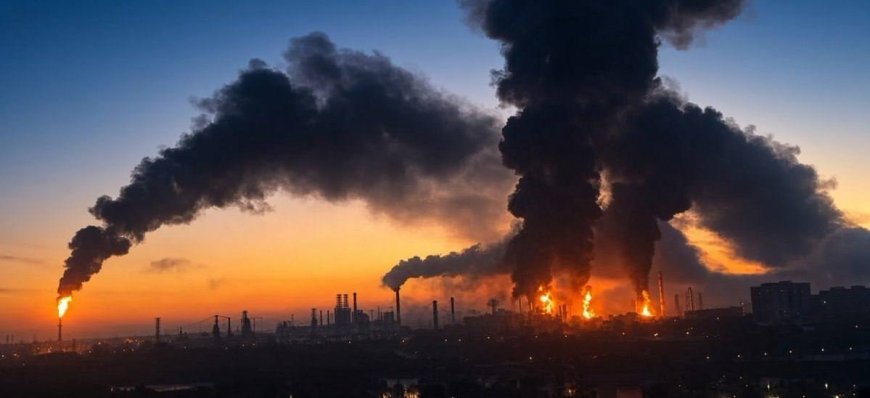
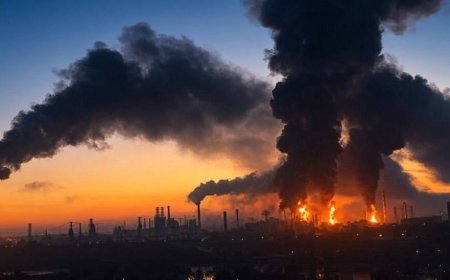
Ukraine’s General Staff said on Monday that, after the strike on Gazprom Neft’s Moscow Oil Refinery, more than 45% of Russia’s nameplate oil-refining capacity is offline. The figure appears in a weekly summary of long-range attacks on military and economic targets in Russia and occupied Ukrainian territory between 14 and 20 September.
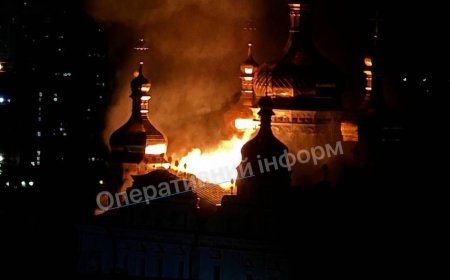
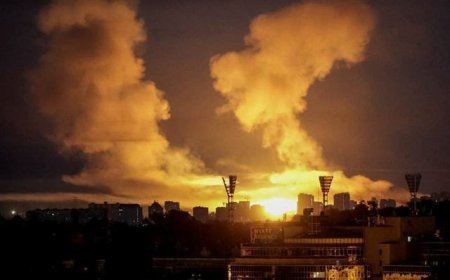
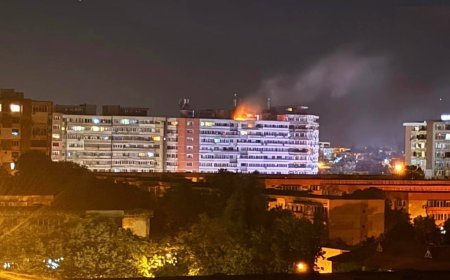
The list for that week is specific. On the night of 15 September, Ukrainian forces hit the Syzran refinery in Samara region — the AVT-6 primary distillation unit and a tank farm. The same period, they struck Atlant Aero in Taganrog, Rostov region, a plant that builds Molniya strike and reconnaissance drones and parts for Orion UAVs. On the night of 17 September they hit Slavneft-YANOS in Yaroslavl, a plant rated at about 15 million tonnes a year; the AVT-3 primary unit was the reported target. On 20 September they struck the Moscow refinery in Kapotnya, including AVT-6, a comprehensive processing unit and an isomerization unit. The General Staff dates the 45% tally from that Moscow strike.
Kyiv says one result is a shortage of quality fuel inside Russia and a sharp fall in Euro-5/K5 gasoline and diesel output. Independent reporting has partly corroborated the operational picture: industry sources told Reuters that Syzran halted processing after the mid-September attack, with CDU-6/AVT-6 — about 71% of that plant — damaged and repairs estimated at least a month; Saratov was already down. Reuters sources also said the Moscow refinery stopped production after 20 September, with main crude units hit. The 45% figure itself is a Ukrainian military assessment of cumulative design capacity, not an independently audited industry census. Earlier in the summer, the IEA and Reuters-cited sources put offline capacity in a lower band, around one-third to 40%.
The campaign is intended to squeeze Russia’s war economy and domestic fuel market. Moscow has already restricted gasoline, diesel and jet-fuel exports at various points this year. Russia has not published a matching official percentage. The General Staff added that Ukrainian forces also continue to target air-defence radars, electronic-warfare systems and command nodes.
What's Your Reaction?